Richmond is the Ray County seat, with a courthouse square, older neighborhoods, and rural homes spread across rolling farm country north of the Missouri River. Metro Wide lifts sunken driveways, walks, porches, and garage floors using polyurethane foam injected through small ports.
A lot of Richmond's housing has been around for decades. Homes near the courthouse square and along the older residential streets have front walks, steps, and driveways that were poured long ago and have shifted with the seasons ever since. Farther out along Highway 10 and Highway 13, you find newer homes, rural properties with shops and pole barns, and acreage where concrete carries trucks and equipment. Each of those settings puts different kinds of stress on the concrete, from foot traffic to farm trucks.
Richmond homeowners and landlords usually reach out when a walk has become a trip hazard, a porch slab has separated from the house, or a driveway panel has sunk enough to catch a bumper. Before replacing that concrete, it is worth seeing if it can be lifted. Polyurethane foam goes in through small drilled ports, expands to fill voids, and raises the slab in place. We are honest when a slab is too broken to save, and we will tell you if replacement is the better option for a particular section.
Richmond at a glance
Location: Richmond, MO, Ray County
Distance: about 35 miles east of downtown Kansas City
Method: polyurethane foam lifting through small ports
Estimates: free, often by text from your photos
Warranty: 2 years on residential lifting
Properties: residential and commercial
Richmond sits roughly 35 miles east of downtown Kansas City, well inside Metro Wide’s 75-mile coverage radius. Scheduling depends on the address and the size of the project, and a remote quote from your photos lets us plan the trip before we arrive.
Local Conditions
Why concrete settles in Richmond.
Ray County sits north of the Missouri River, with loess-capped uplands and clay soils across much of the area. In the hills around Richmond, the ground drains toward creeks that eventually reach the river. Loess compacts and erodes when water runs through it, and the clay underneath expands and contracts with moisture. Those changes happen slowly but steadily, and they show up as voids under slabs. Slopes near draws and creek banks tend to move more than flat ground, since water travels through them faster.
Older properties in Richmond have had generations of freeze–thaw cycles, root growth, and roof runoff working under their concrete. Many older walks and porches were poured with very little gravel base, which makes them more sensitive to soil movement. Newer homes on the edges of town often sit on graded or backfilled ground that keeps settling for a while. On rural properties, runoff from large roofs and long driveways tends to collect along slab edges. When we look at your project, we look at where the water goes as much as at the concrete.
Signs your slab has lost support
A lip or step-up at a driveway, sidewalk, or garage joint
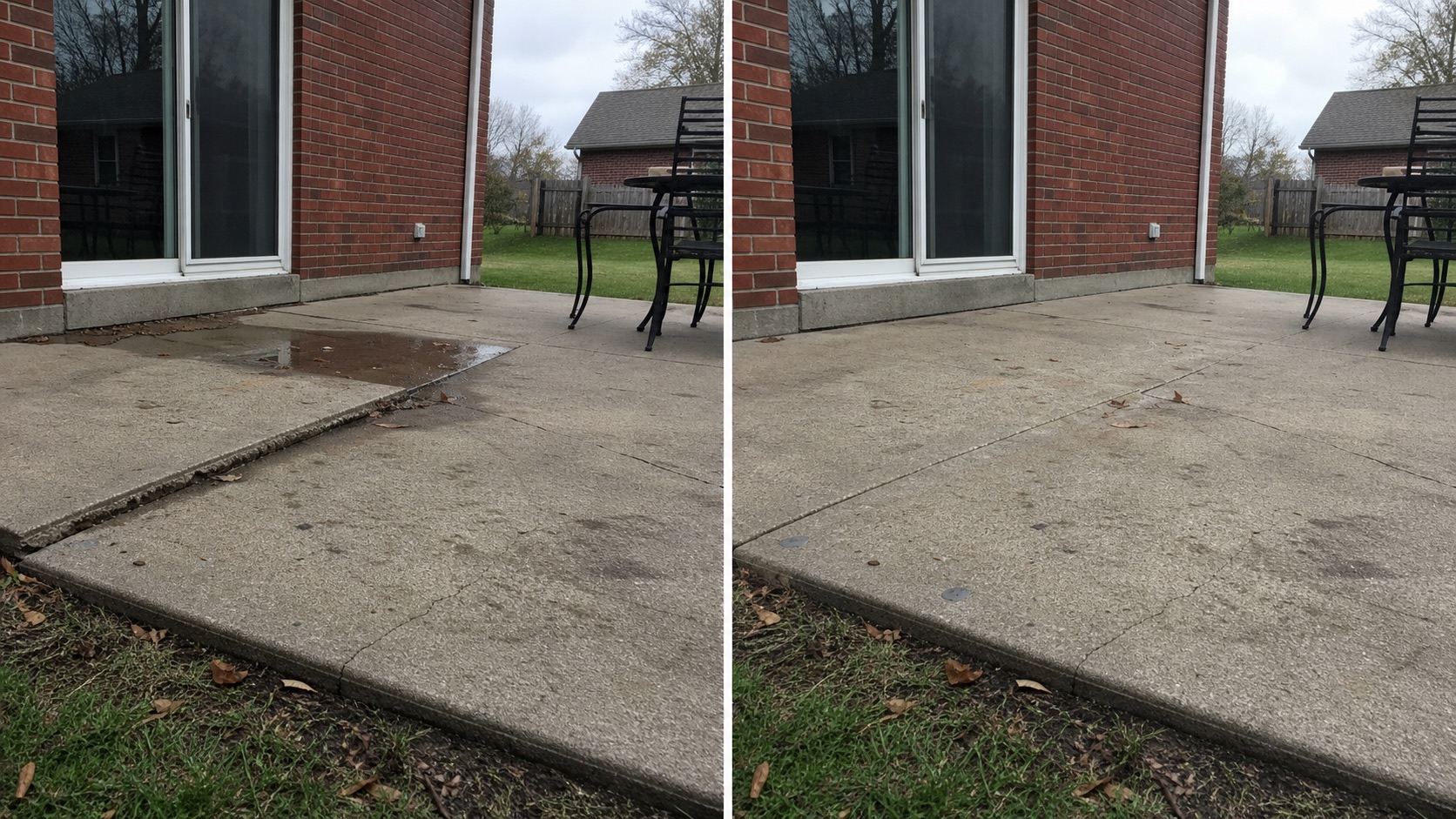
A patio or walk that tips toward the house
Gaps opening between steps, stoops, and the foundation
Water pooling on a slab or flowing toward the home
Hollow sounds or visible washout along a slab edge
Common Richmond Projects
The concrete we lift most often in Richmond.
Every slab is different, so we start with what is happening at your property. These are the repairs Richmond property owners ask us about most.
Rental property walks and steps
Landlords in Richmond often need trip hazards fixed between tenants or after an inspection. Lifting sunken walk sections and landings is usually quicker and less disruptive than tearing out and repouring. It also keeps the original look of the property.
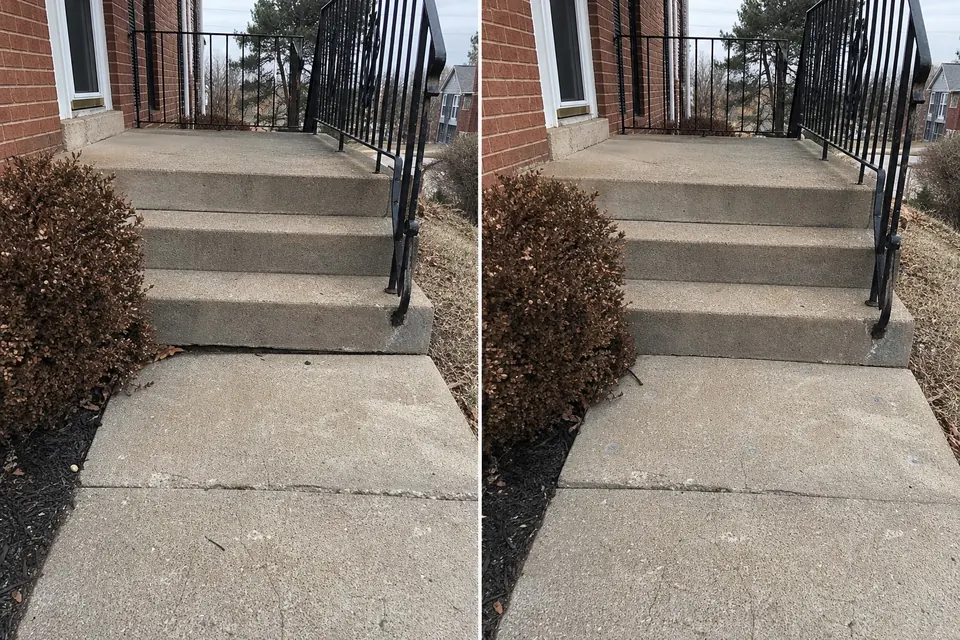
Porch slabs pulling away
When the house side of a porch slab drops, water can run toward the foundation. Raising the slab can close the gap and restore slope away from the home. Cracked slabs can sometimes still be lifted as one piece.
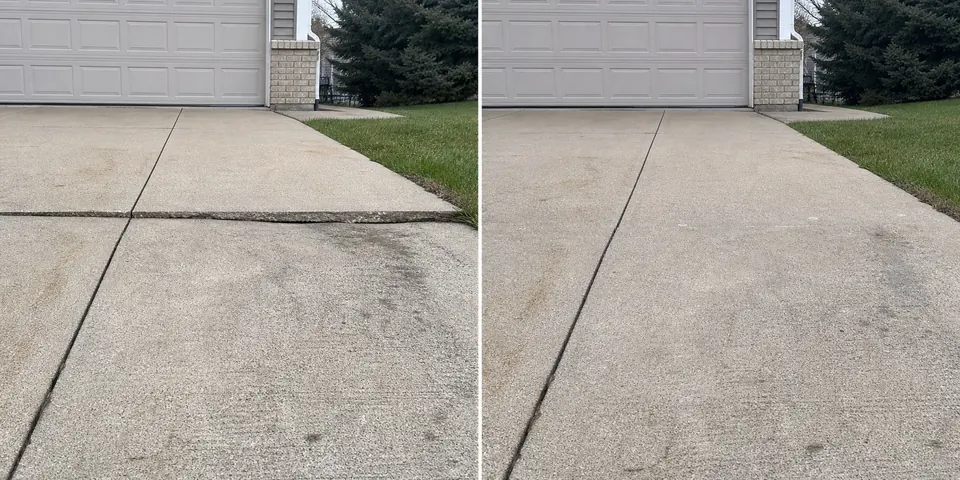
Driveway sections on older homes
Older driveways often have one or two panels that have dropped below their neighbors. We raise those panels so the joints are smoother and water does not pond at the low spot. The original concrete stays in place.
Pole barn and shop floors
Rural shop floors near doors settle from heavy loads and roof runoff. Foam lifting can raise the sunken section so doors close better and equipment does not hit a lip. Water drains out instead of running in.
Our Richmond Leveling Process
How a polyfoam lift works, step by step.
01
Send photos
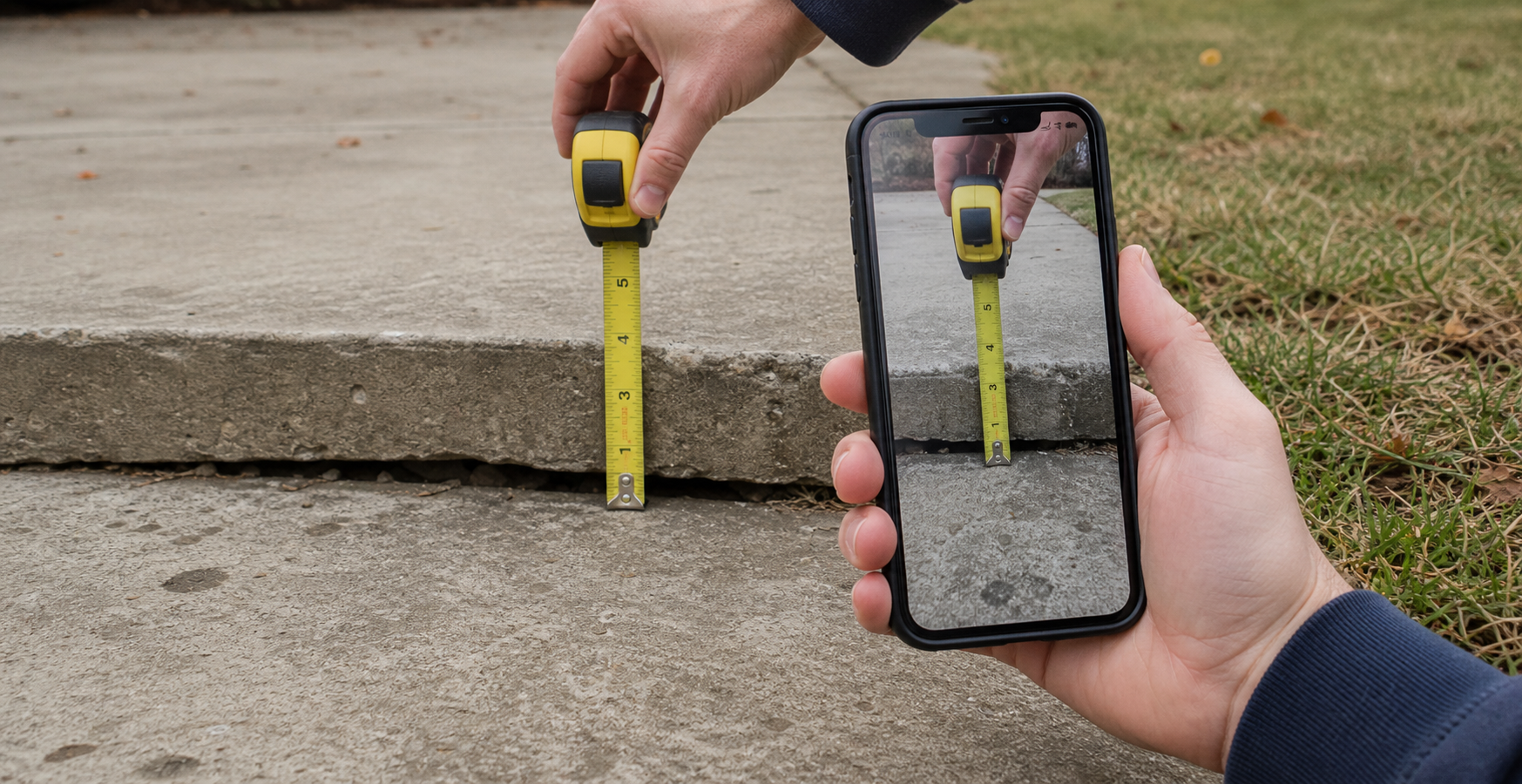
Text a wide shot, close-ups of the low joints, a tape measure showing the drop, and the address.
02
Review & quote
We look at the settlement, slab condition, and drainage, and follow up with a quote or questions.
03
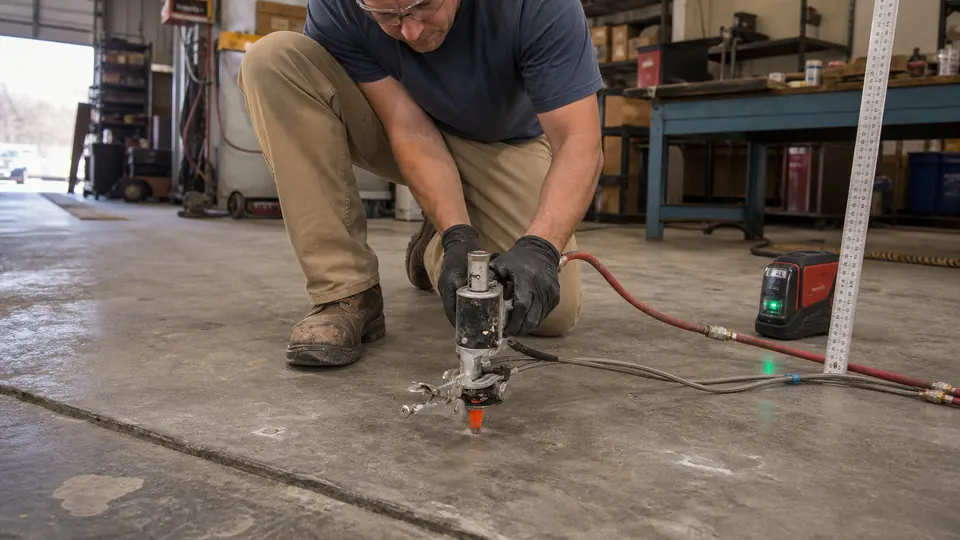
Drill small ports
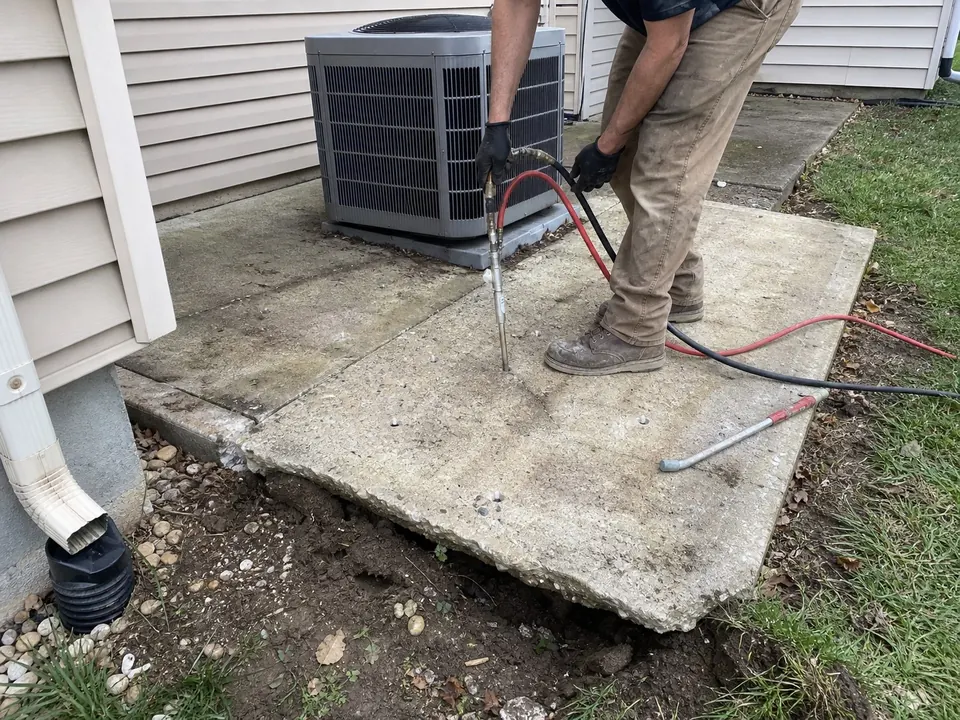
On the day of the repair we drill small access holes at planned points across the settled slab.
04
Lift in stages
Expanding polyurethane fills the voids and raises the concrete gradually while we watch the transitions.
05
Patch & clean up
Ports are patched, the area is cleaned, and the surface can usually be used again soon after.
Services in Richmond
Concrete lifting services available in Richmond, MO.
Metro Wide lifts and stabilizes most types of flatwork. Choose a service to learn how the repair works.
Do you travel to Richmond and other parts of Ray County?
Yes. Richmond is within our general 75-mile service radius around Kansas City. Scheduling depends on your exact address and the size of the job. Texting photos and your address first lets us quote the project remotely so you know whether leveling is a good fit before we schedule the trip.
I own rentals in Richmond. Can you handle several properties at once?
We can look at multiple properties together. Send photos of each slab with the address and a note about which areas are most urgent. We can quote them separately or as a group and talk about scheduling that makes sense. Leveling keeps the concrete in place, so tenants usually deal with less disruption than with replacement.
My porch has old steps attached to the slab. Can you lift it?
Sometimes. Steps and porch slabs are often poured together, and how they are connected affects whether they can be lifted as one piece. Send photos from the side so we can see the steps, the slab, and the gap at the house. We will tell you what is realistic and whether part of it would be better replaced.
Can leveling fix water running toward my foundation?
Sometimes. Raising a patio, walk, or driveway panel that settled toward the house can restore some pitch away from the foundation. Drainage also depends on gutters, downspouts, and surrounding grades, so we point out anything that is likely to undo the repair.
How big are the holes you drill?
Polyfoam lifting uses small access ports, much smaller than the holes used for traditional mudjacking. The number and placement depend on the slab. After the lift, the ports are patched.
How much does concrete leveling cost in Richmond?
Pricing depends on the size of the slab, how far it has settled, how much void space is underneath, access, and how many areas need work, so we do not publish a flat price. Text photos, rough measurements, and your Richmond address and we can usually provide a remote quote. Leveling is often far less disruptive than tearing out and replacing a slab that is still usable.
Richmond Estimate
Find out if your Richmond concrete can be saved.
Text a wide photo, a close-up of the uneven area, a tape measure showing the drop, and your address. We will review it and follow up with a quote.
We accept Visa, Mastercard, American Express, Discover, Venmo, cash, and checks. Ask about payment details when scheduling your project.
Kansas City Metro Coverage
Explore our general service area.
Zoom, drag, or select a marker to explore communities within Metro Wide’s 75-mile Kansas City service radius. Scheduling varies by address and project type.
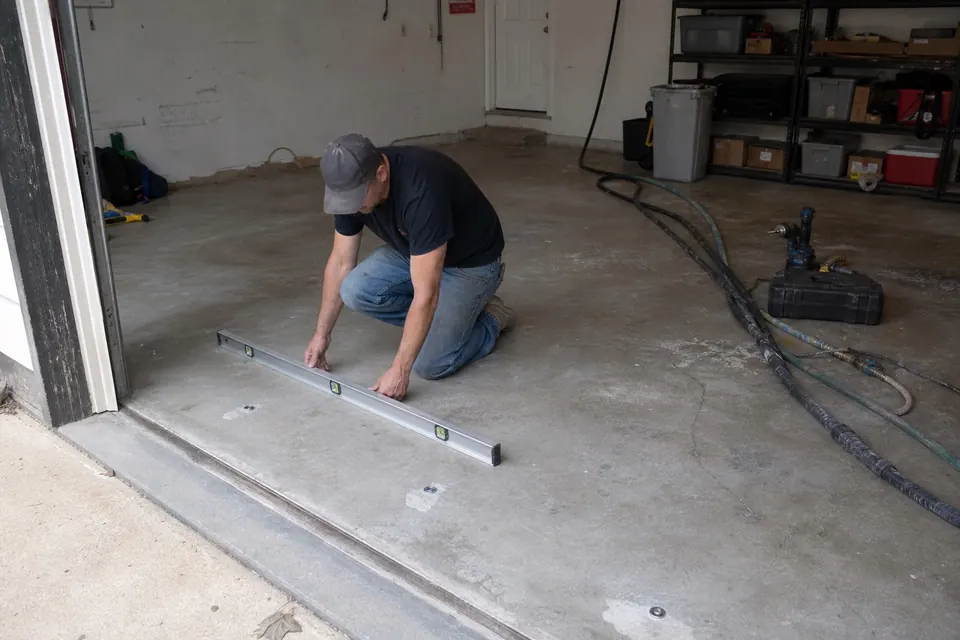 Garage floor leveling
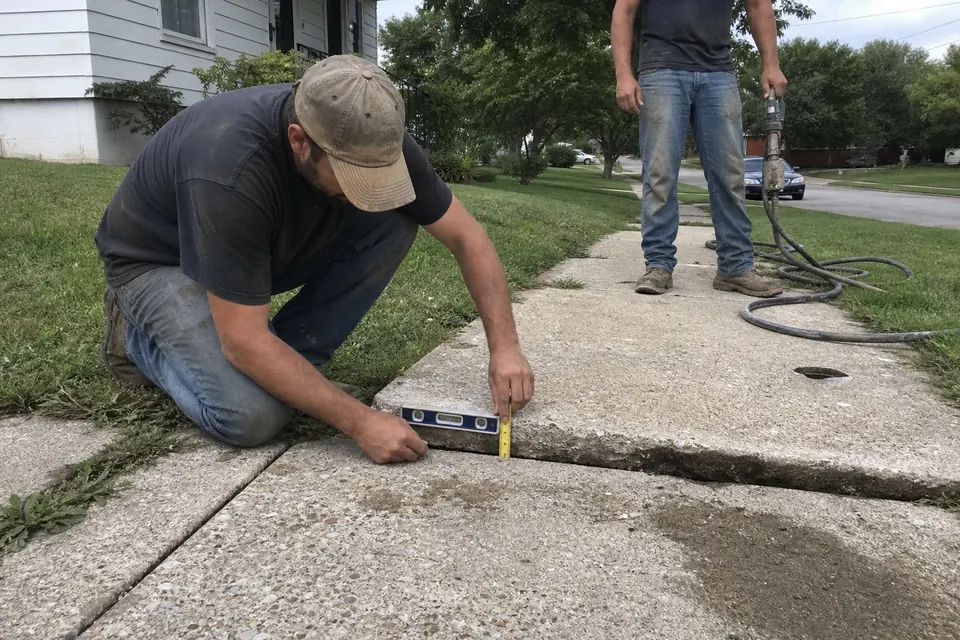
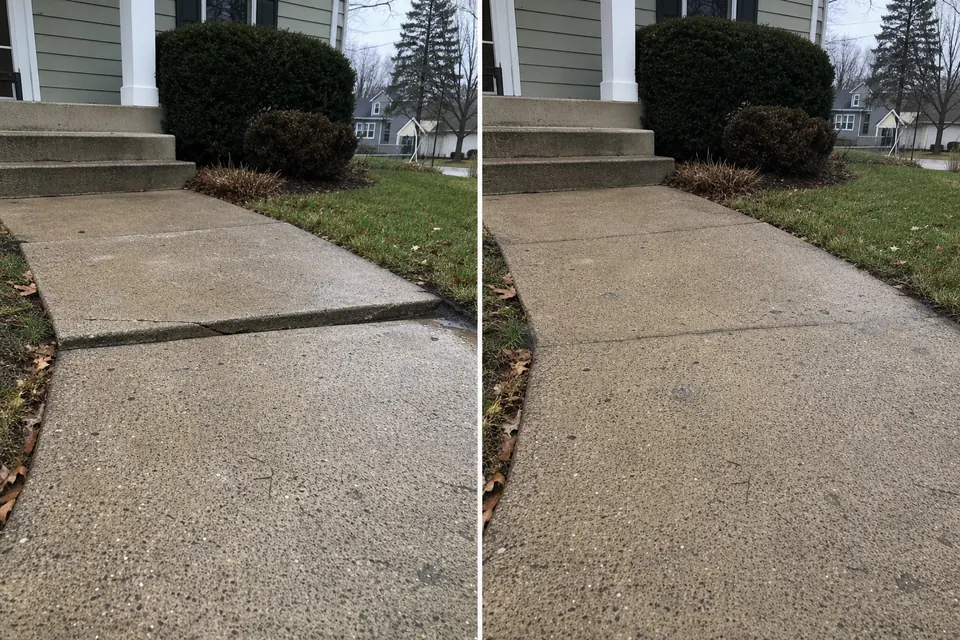 Sidewalk & walkway leveling
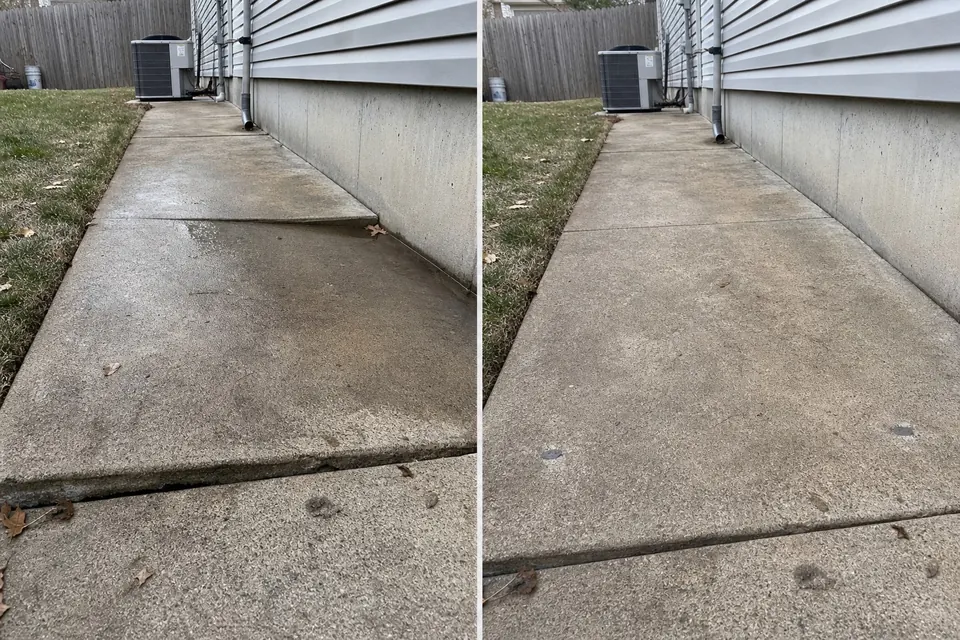 Porch & stoop leveling
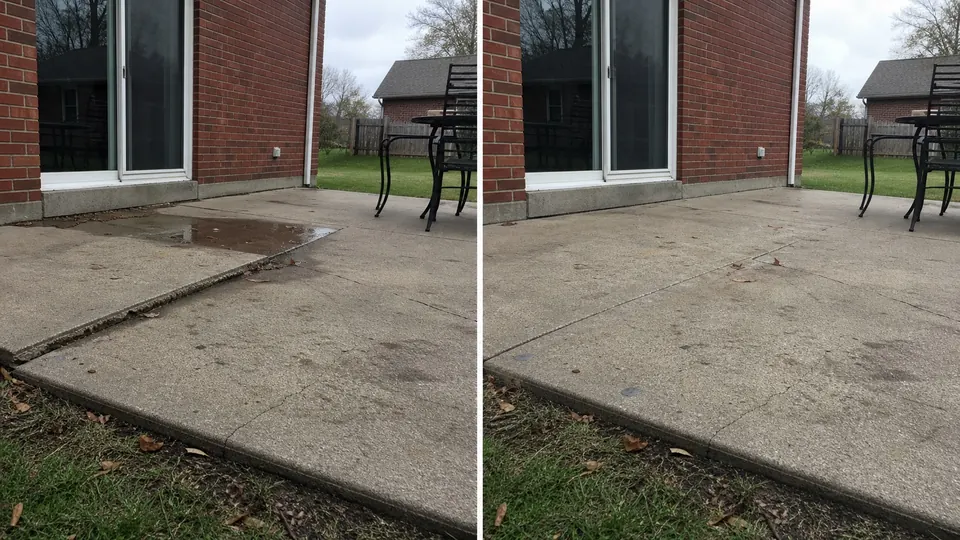 Patio leveling
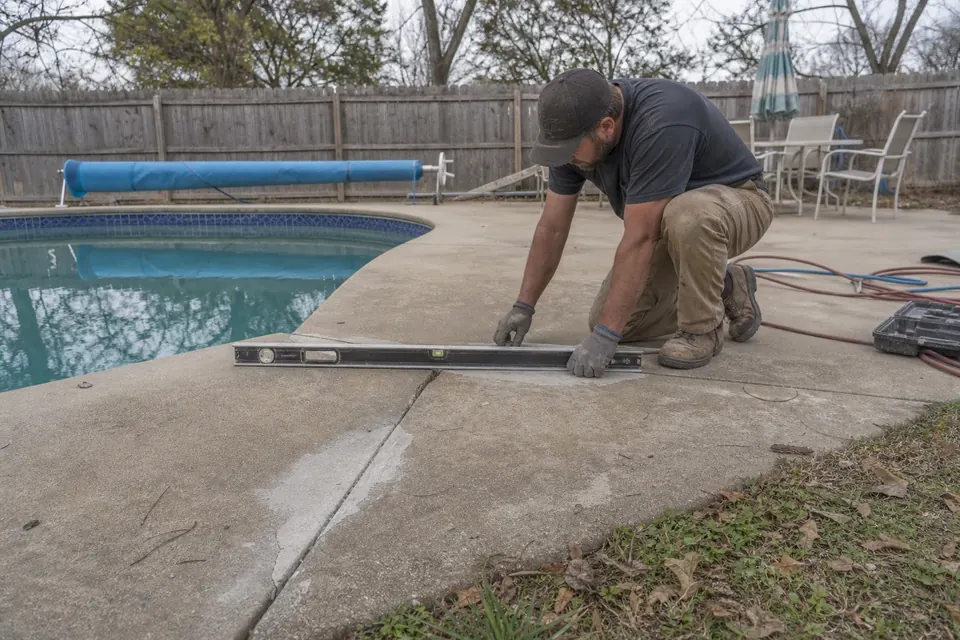 Pool deck leveling
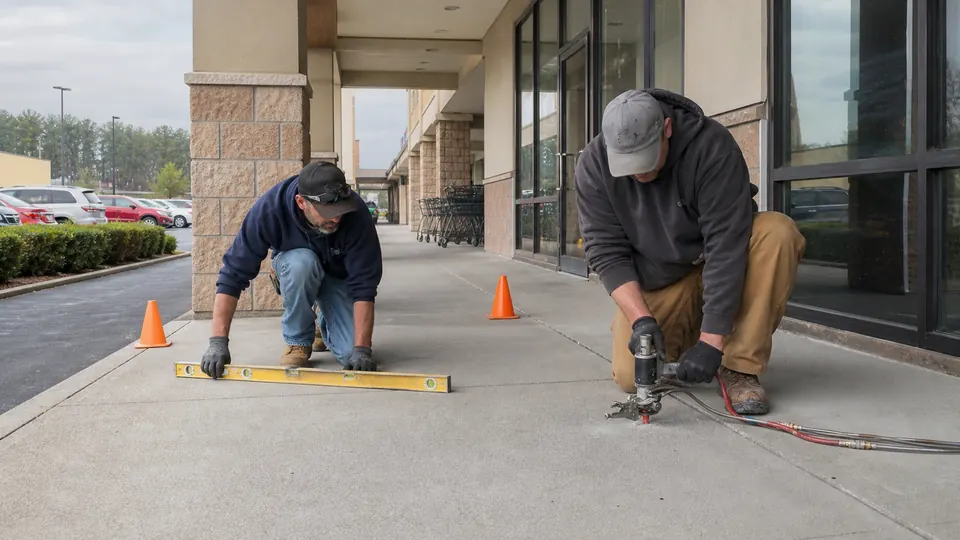 Commercial concrete leveling
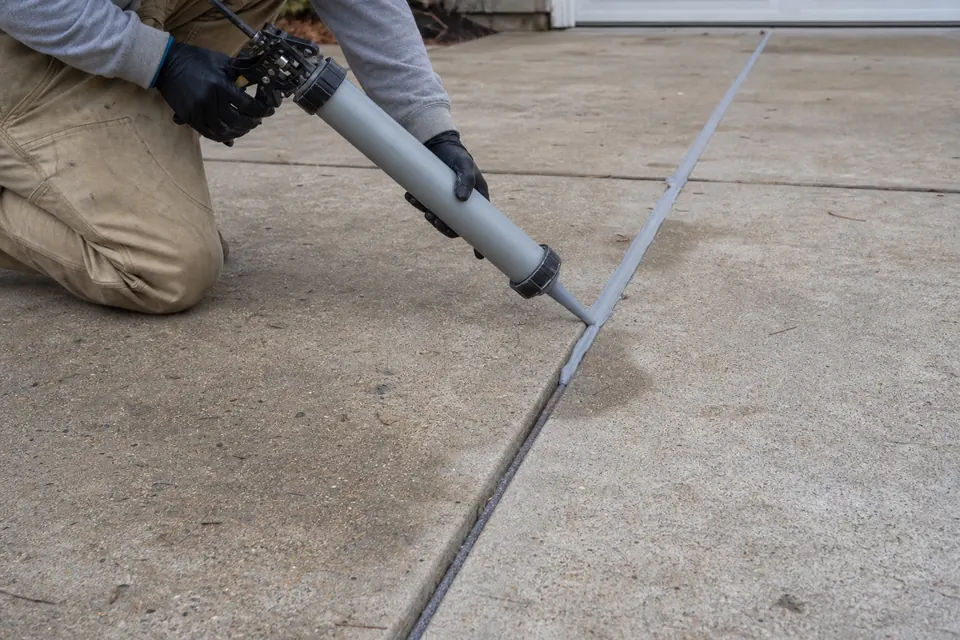 Crack & joint sealing