Lexington sits on the bluffs above the Missouri River, with a historic downtown, antebellum homes, and streets that climb steeply from the river. Metro Wide lifts settled walks, driveways, steps, and patios with polyurethane foam, keeping your existing concrete in place.
Lexington is the Lafayette County seat and one of the older river towns in this part of Missouri. Its downtown, historic courthouse, and well-preserved homes give it a character that many owners want to protect. The Battle of Lexington State Historic Site sits on the north side of town, and the Highway 13 bridge crosses the river into Ray County. Much of the residential area is built on hilly ground, which affects how concrete behaves. Older streets near downtown include brick homes and walks that have been in place for generations.
On a sloped lot, settled concrete is more than a cosmetic issue. A walk that drops at one joint on a hillside can become a real tripping risk, and a driveway that has tipped can send water straight toward the house or garage. Polyurethane foam leveling lets us raise those slabs through small ports without heavy equipment on the lawn or demolition near older landscaping and stonework. For owners of historic properties, that lighter footprint is often the main reason to consider lifting before replacement.
Lexington at a glance
Location: Lexington, MO, Lafayette County
Distance: about 38 miles east of downtown Kansas City
Method: polyurethane foam lifting through small ports
Estimates: free, often by text from your photos
Warranty: 2 years on residential lifting
Properties: residential and commercial
Lexington sits roughly 38 miles east of downtown Kansas City, well inside Metro Wide’s 75-mile coverage radius. Scheduling depends on the address and the size of the project, and a remote quote from your photos lets us plan the trip before we arrive.
Local Conditions
Why concrete settles in Lexington.
Lexington is built on the loess bluffs that line the Missouri River. Loess is wind-deposited silt that can stand in surprisingly steep banks when dry but loses strength when it gets wet. Water running downhill under or alongside a slab can carry that silt away, leaving hollow pockets. On slopes, gravity adds to the problem, and slabs can creep downhill as well as drop.
Lower parts of town closer to the river sit on alluvial soils, which are layered sand, silt, and clay deposited by floods over a long period. Those soils can compress unevenly and respond to changes in groundwater. Across the city, many slabs are decades old, and some were poured on little base. Mature trees, old clay drain lines, and freeze–thaw cycles all contribute. When we review a Lexington project, we pay special attention to the slope and where water enters, since those determine whether lifting will hold. Slabs that sit partly on bluff soil and partly on fill can also settle unevenly, which shows up as a slab tipping in one direction.
Signs your slab has lost support
A lip or step-up at a driveway, sidewalk, or garage joint
A patio or walk that tips toward the house
Gaps opening between steps, stoops, and the foundation
Water pooling on a slab or flowing toward the home
Hollow sounds or visible washout along a slab edge
Common Lexington Projects
The concrete we lift most often in Lexington.
Every slab is different, so we start with what is happening at your property. These are the repairs Lexington property owners ask us about most.
Front walks at historic homes
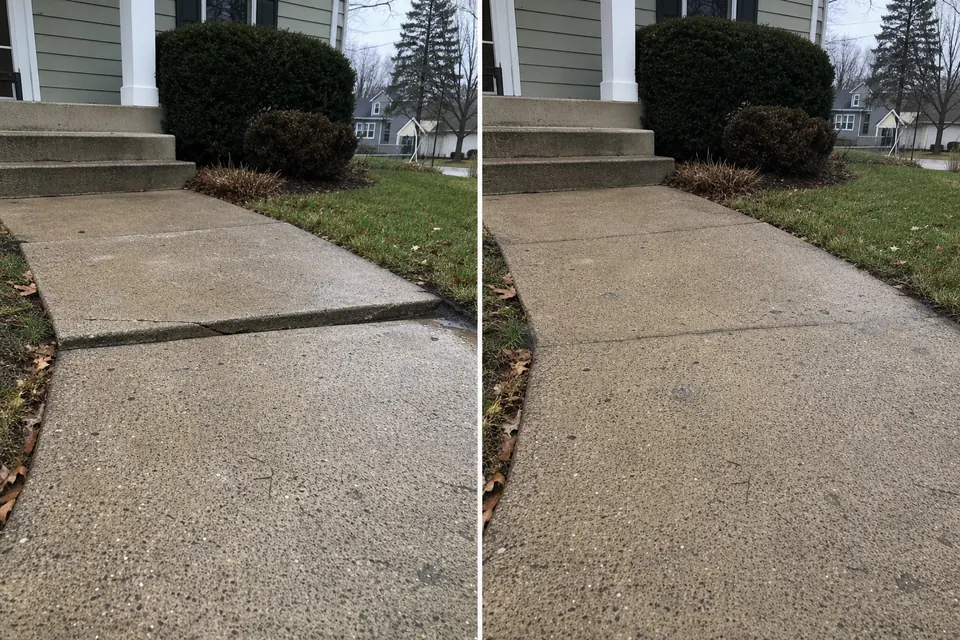
Walks leading to older Lexington homes often have shifted section by section. Lifting the low pieces can reduce trip points while preserving original concrete and avoiding heavy equipment near mature trees and landscaping. Ports are small and patched afterward.
Hillside driveways
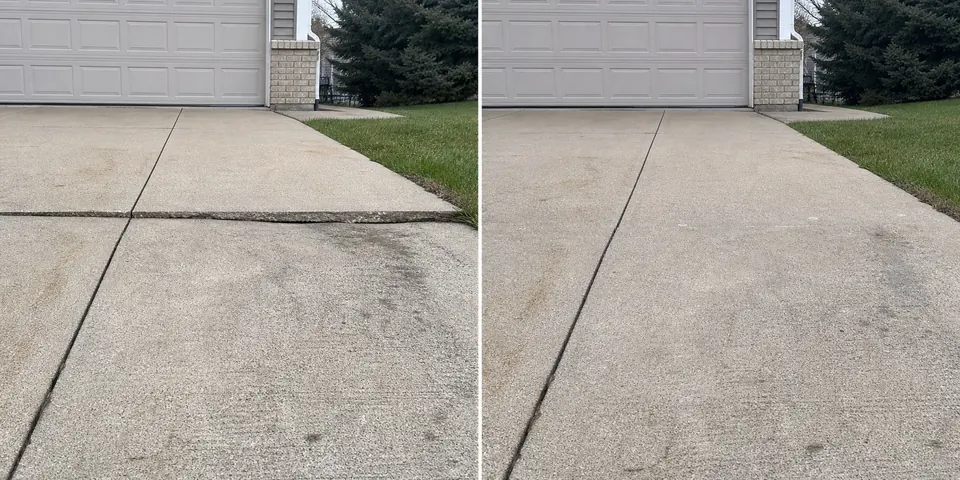
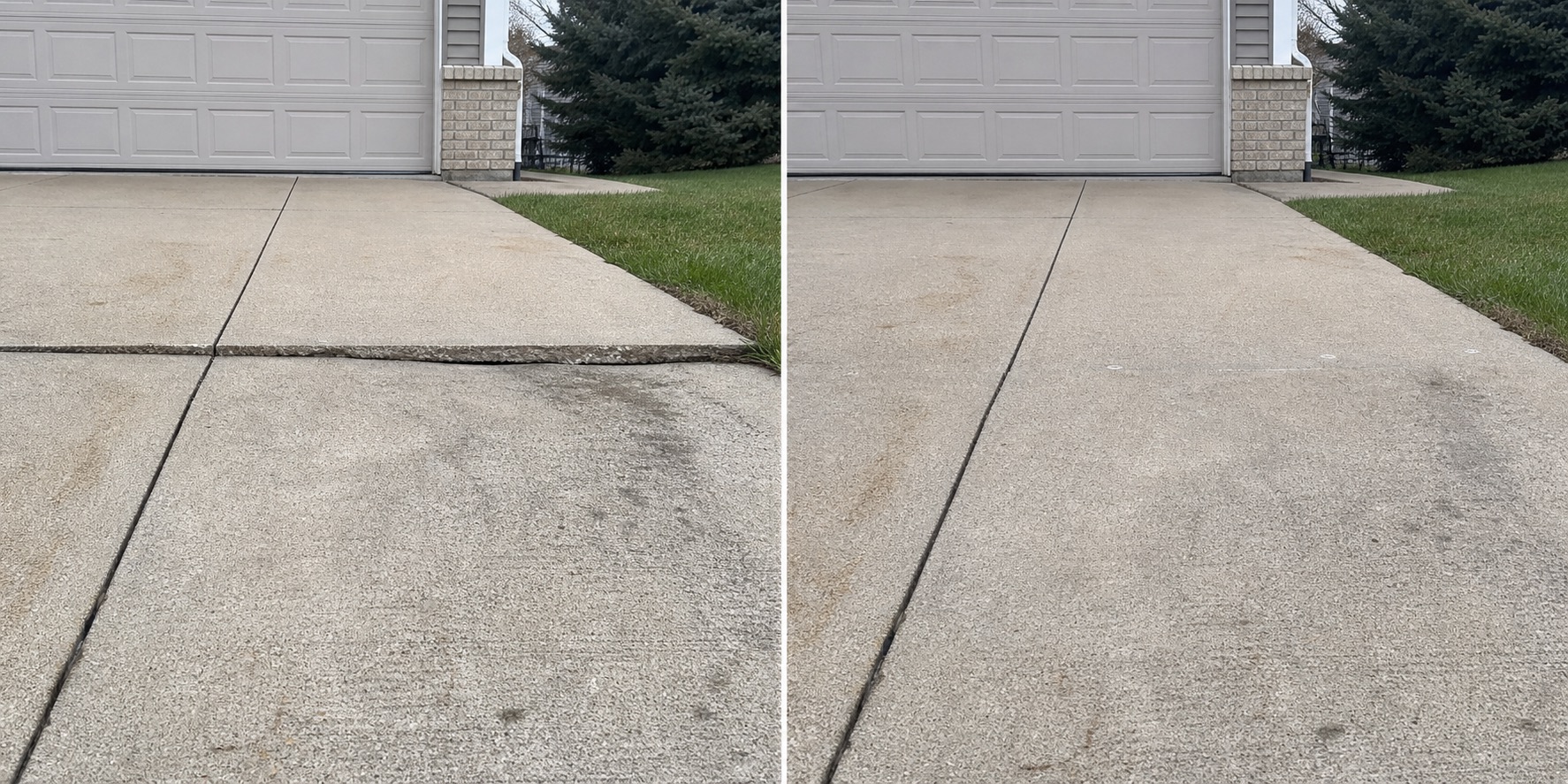
Driveways on sloped lots can settle at the bottom or where they meet the garage. Raising sunken sections improves the transition and helps keep runoff from collecting against the house. Foam is lightweight, so it adds little load to the slope.
Concrete steps and landings
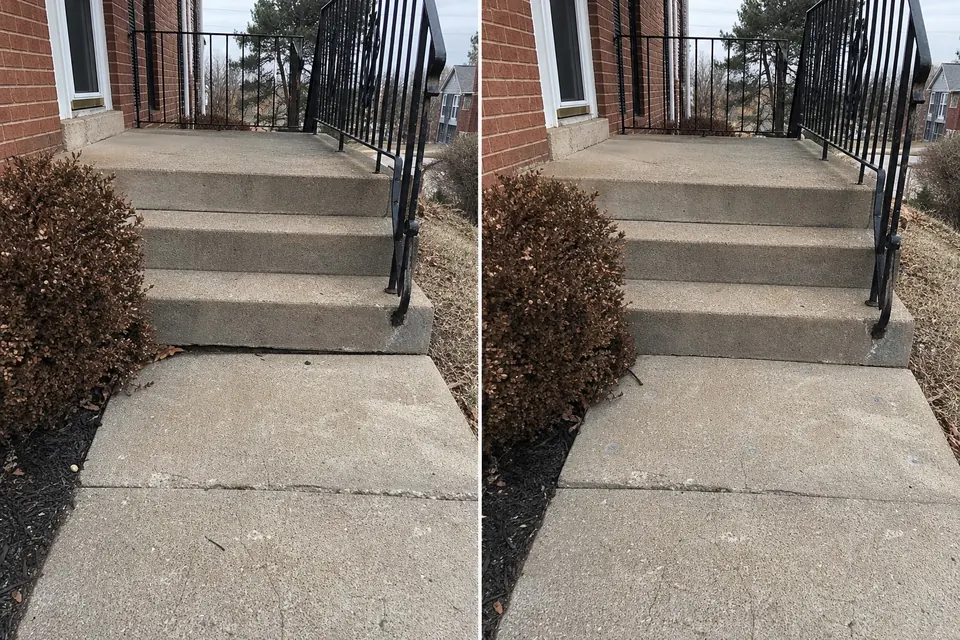
Landings at the bottom or top of steps often drop and leave an uneven first step. When the concrete is intact, foam lifting can bring the landing back up to a more consistent height. Steps that are broken may need other repairs.
Downtown storefront walks
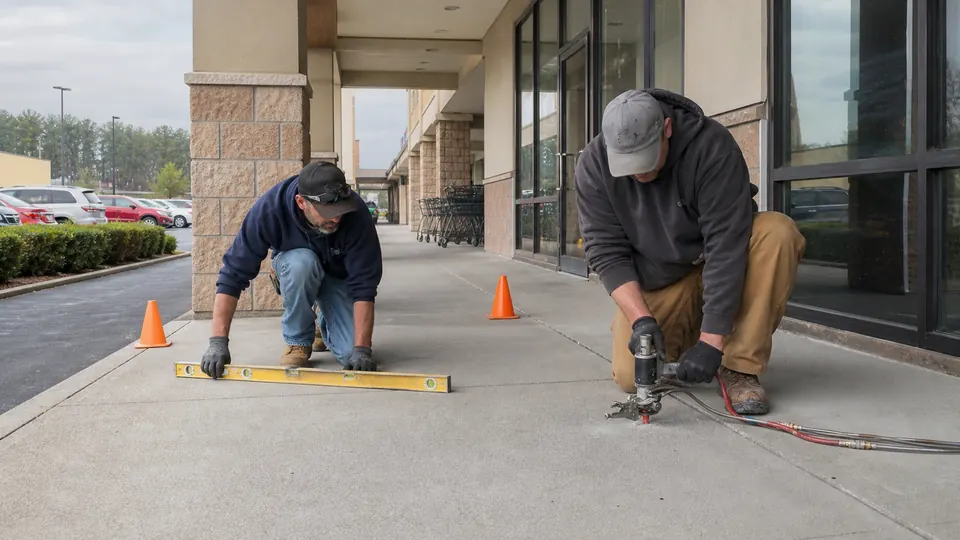
Business owners downtown deal with sidewalk and entry sections that have settled over the years. Leveling reduces hazards for visitors with much less disruption than a full tear-out. If the walk is public right-of-way, check with the city first.
Our Lexington Leveling Process
How a polyfoam lift works, step by step.
01
Send photos
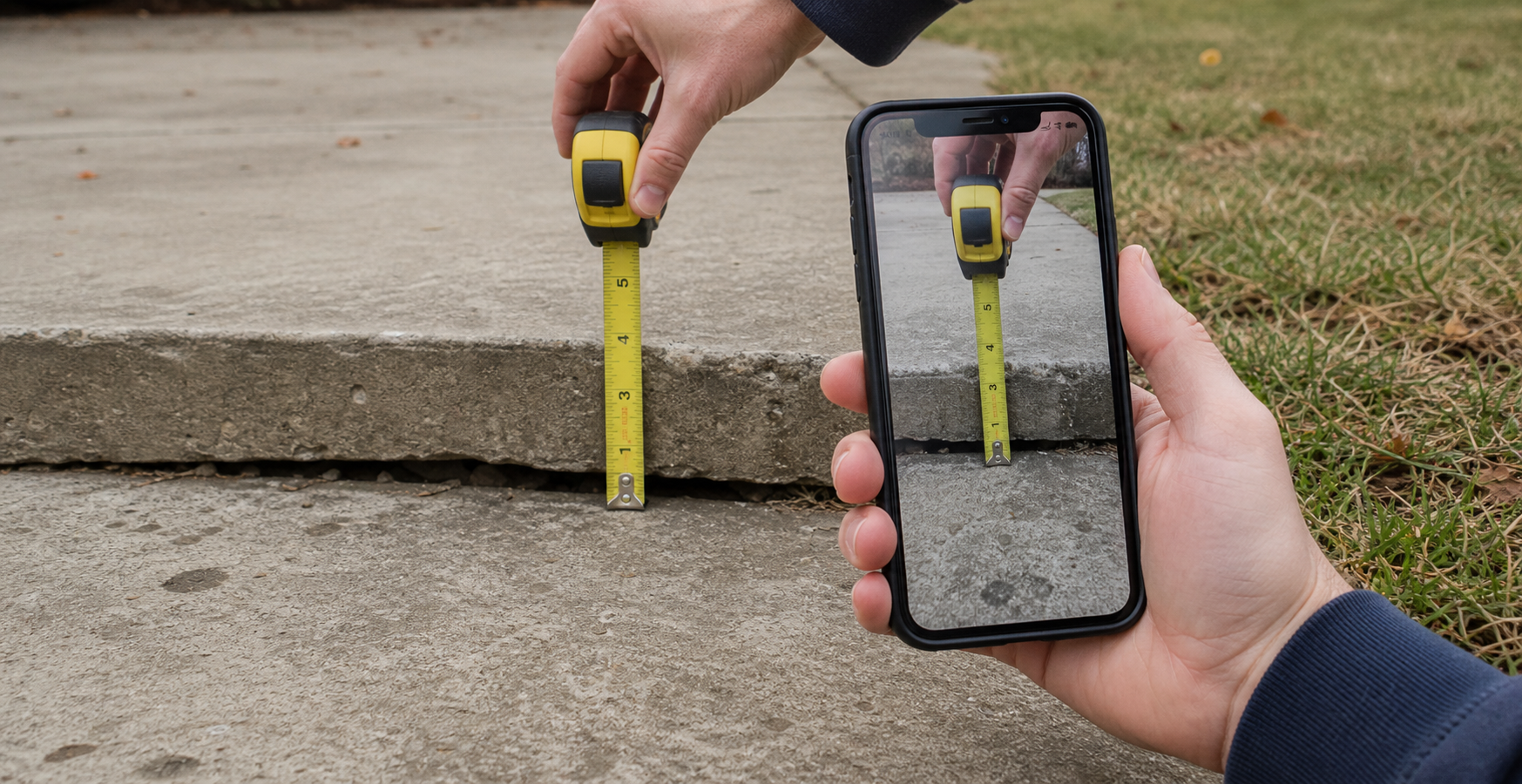
Text a wide shot, close-ups of the low joints, a tape measure showing the drop, and the address.
02
Review & quote
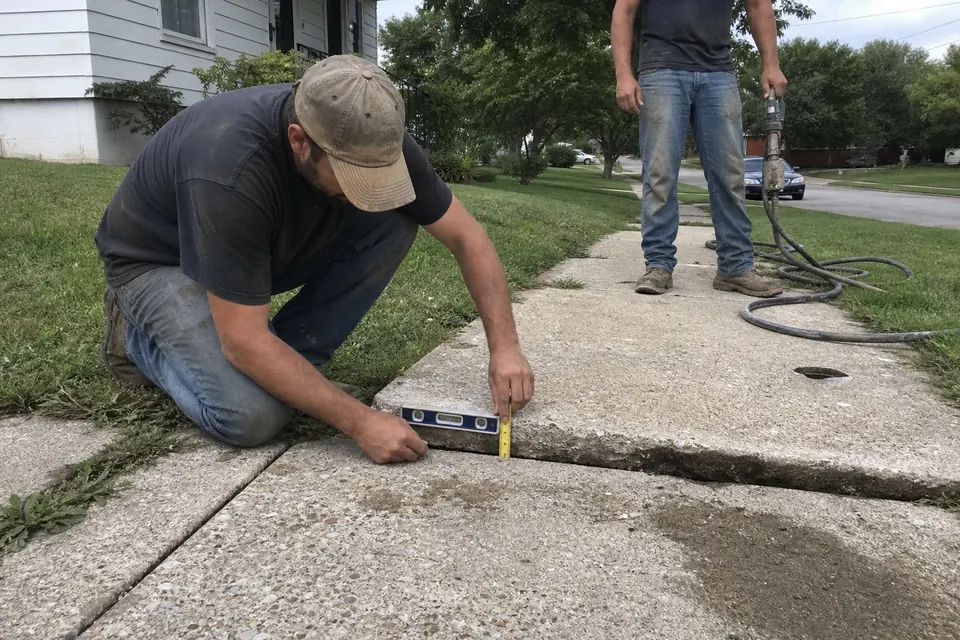
We look at the settlement, slab condition, and drainage, and follow up with a quote or questions.
03
Drill small ports
On the day of the repair we drill small access holes at planned points across the settled slab.
04
Lift in stages
Expanding polyurethane fills the voids and raises the concrete gradually while we watch the transitions.
05
Patch & clean up
Ports are patched, the area is cleaned, and the surface can usually be used again soon after.
Services in Lexington
Concrete lifting services available in Lexington, MO.
Metro Wide lifts and stabilizes most types of flatwork. Choose a service to learn how the repair works.
Will leveling change the look of my historic Lexington home?
Leveling keeps your existing concrete in place, so the walk or driveway looks much the same afterward apart from small patched ports. That makes it a good fit for older homes where owners want to preserve the original character. If your property is in a historic district with exterior work rules, check whether approval is needed. We can provide a written scope.
Can you lift concrete on a steep lot near the bluffs?
Often, yes. Sloped lots need a closer look at drainage and how the slab is moving, since concrete on a hillside can slide as well as sink. Send photos from a few angles, including the uphill and downhill edges. We will tell you whether lifting is likely to hold and point out any drainage that should be addressed.
Is Lexington within your service area?
Yes. Lexington is within our general 75-mile radius around Kansas City. Scheduling depends on your address and the size of the project. Texting photos and your address first lets us quote remotely and confirm the job is a good fit before we plan the trip out. There is no need to wait for an onsite visit to get started.
Will concrete leveling get rid of the cracks?
No. Lifting changes the position and support of the slab, but existing cracks stay visible. Raising the sections on either side can bring a crack back into alignment, and crack and joint sealing is available as a separate step to help keep water out.
Is polyurethane foam better than mudjacking?
Both methods lift concrete by filling the space underneath it. Polyurethane uses smaller holes, weighs far less than a cement slurry, cures quickly, and resists washing out. See our polyurethane vs. mudjacking comparison for a full breakdown.
Do you offer a warranty?
Yes. Residential concrete lifting from Metro Wide is backed by a 2-year warranty. We will explain what is covered for your project when we provide the quote.
Lexington Estimate
Find out if your Lexington concrete can be saved.
Text a wide photo, a close-up of the uneven area, a tape measure showing the drop, and your address. We will review it and follow up with a quote.
We accept Visa, Mastercard, American Express, Discover, Venmo, cash, and checks. Ask about payment details when scheduling your project.
Kansas City Metro Coverage
Explore our general service area.
Zoom, drag, or select a marker to explore communities within Metro Wide’s 75-mile Kansas City service radius. Scheduling varies by address and project type.
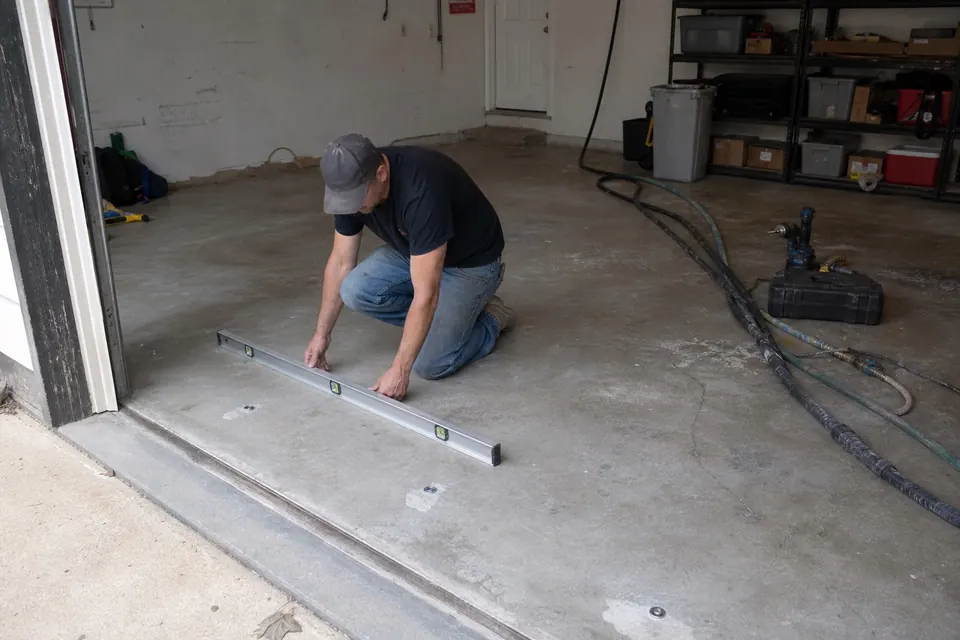 Garage floor leveling
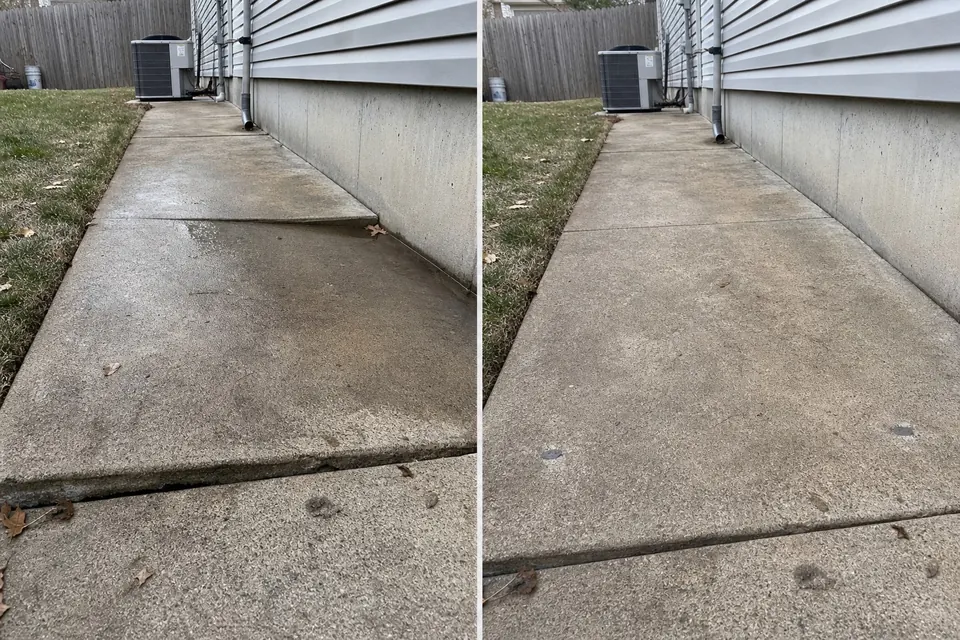 Porch & stoop leveling
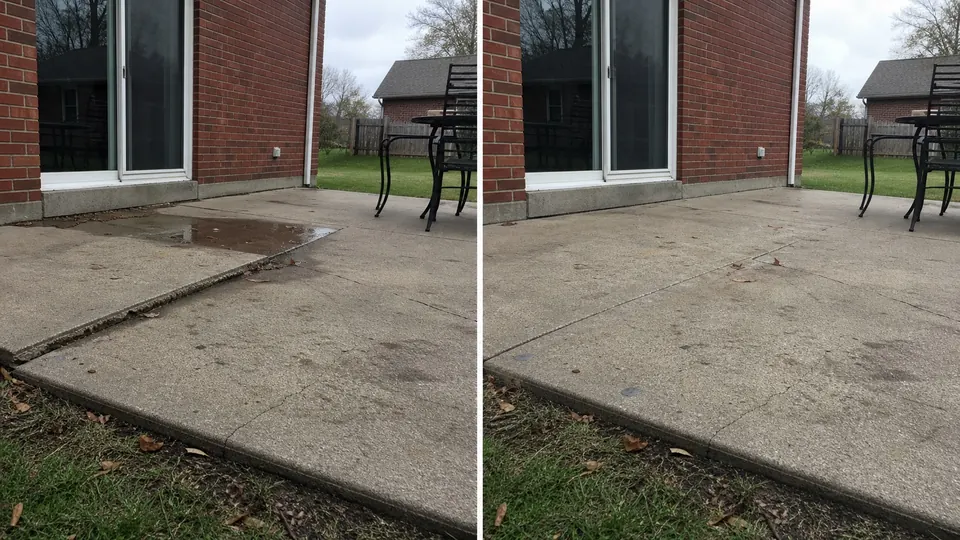 Patio leveling
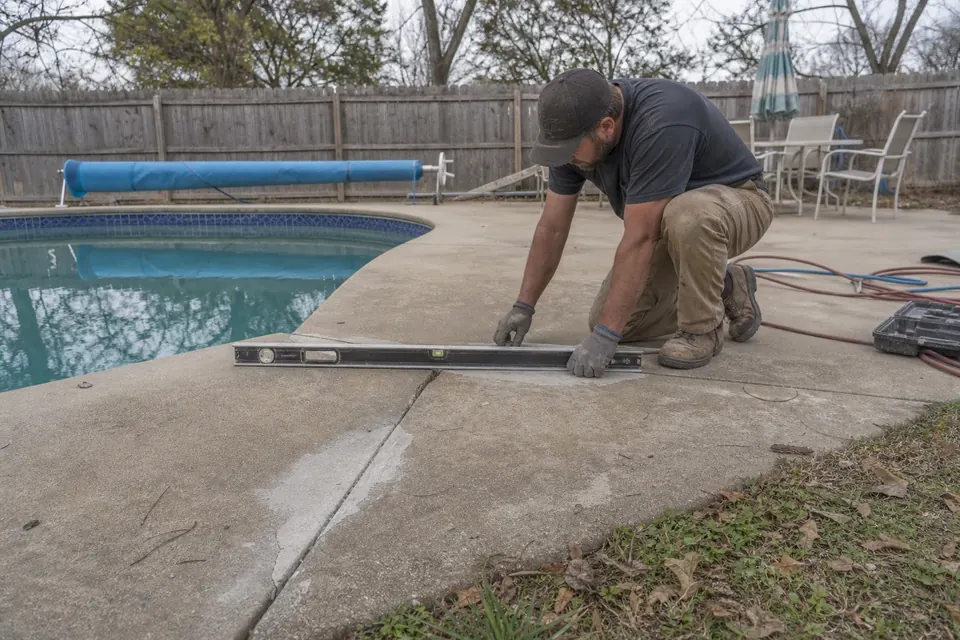 Pool deck leveling
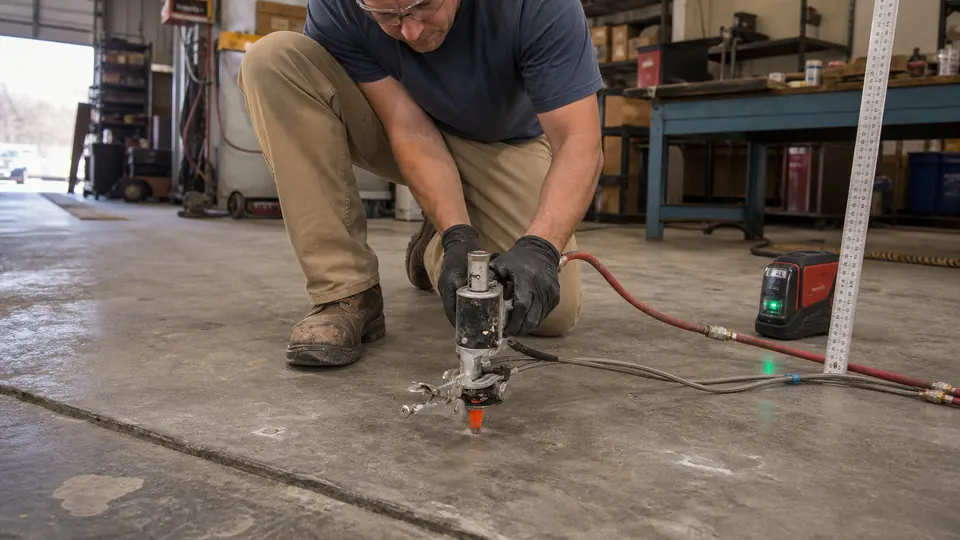 Concrete slab leveling
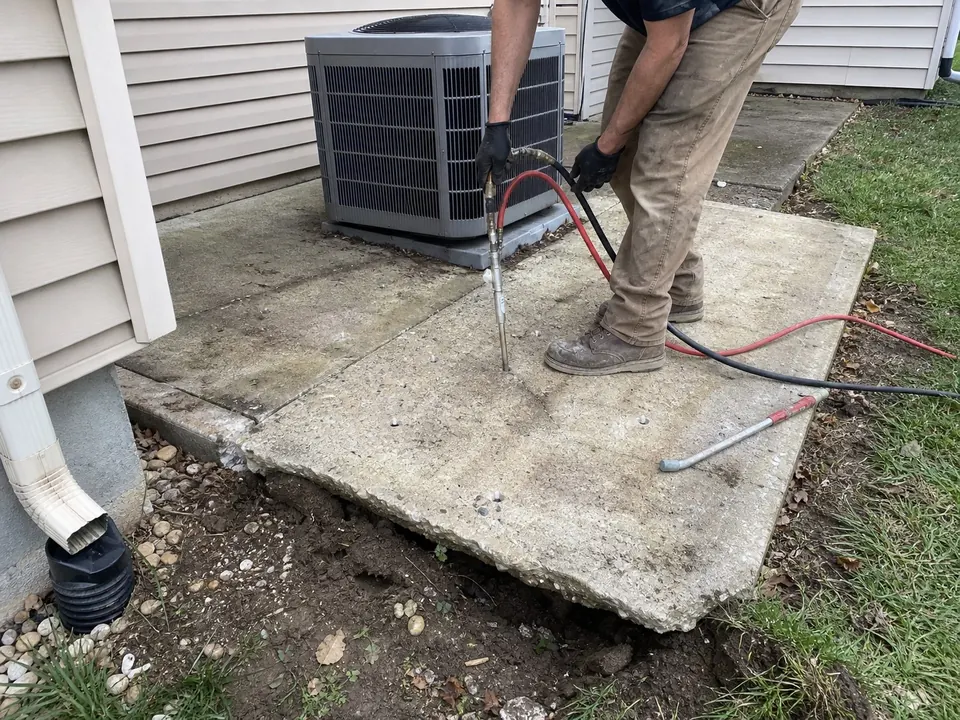 Void filling
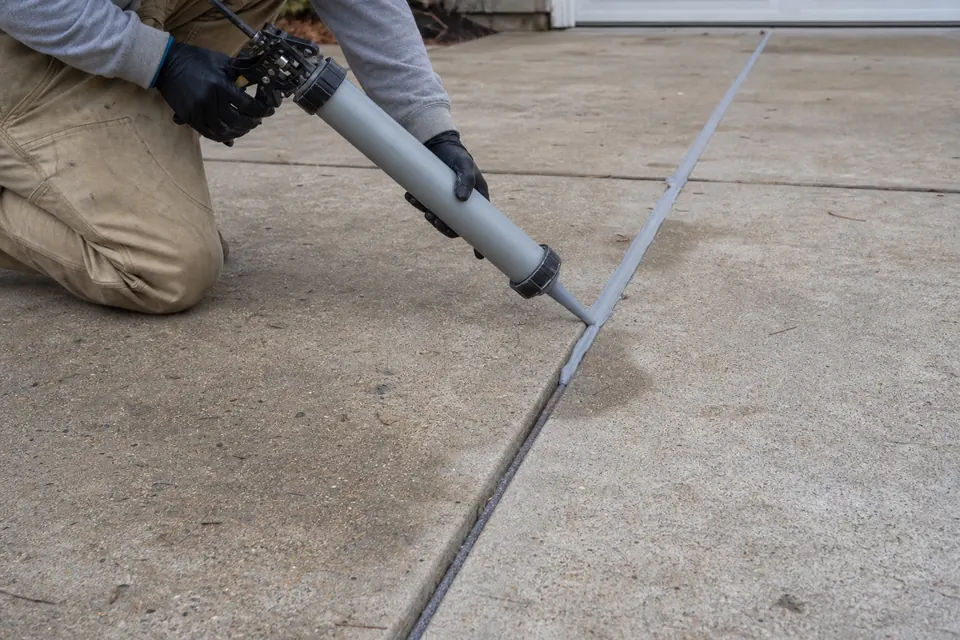 Crack & joint sealing