Mission packs older homes, apartments and busy commercial streets into a small area. Metro Wide lifts settled driveways, sidewalks, stoops and entries throughout the city with polyurethane foam, a less disruptive option than breaking out and repouring the concrete.
Mission is a compact first-ring suburb centered on Johnson Drive, with Shawnee Mission Parkway running through its south side. Many of its homes are modest ranches and story-and-a-half houses from the 1940s and 1950s, and the city also has a larger share of apartment and townhome communities than many of its neighbors. Along Johnson Drive and the Parkway, storefronts, restaurants and offices sit close to the sidewalk.
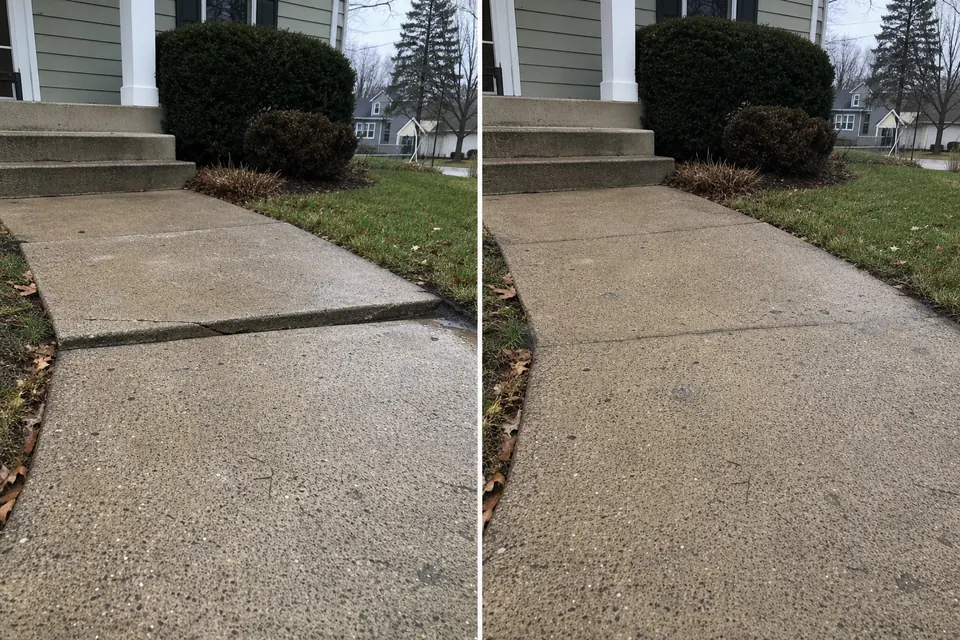
So the concrete work here is a real mix. Homeowners call about narrow driveways that have dropped at the garage, front walks with uneven squares, and back patios that now slope toward the house. Landlords and property managers call about stoops and walkways at rental properties, where a trip edge is a safety concern for tenants. Businesses call about sidewalks and entries that customers cross every day.
Polyurethane foam leveling fits tight urban lots well. The equipment stays on a trailer and hoses run to the slab, so there is no heavy machinery driving across the lawn and no dumpster parked on a narrow street.
Mission at a glance
Location: Mission, KS, Johnson County
Distance: about 6 miles southwest of downtown Kansas City
Method: polyurethane foam lifting through small ports
Estimates: free, often by text from your photos
Warranty: 2 years on residential lifting
Properties: residential and commercial
Mission is about 6 miles southwest of downtown Kansas City, close to the center of our service area, so it is a regular part of our schedule. Texting photos first is still the fastest way to get a quote.
Local Conditions
Why concrete settles in Mission.
Rock Creek runs through Mission from west to east, and much of the city slopes toward it. Homes on the lower ground near the creek, and on streets where runoff collects, often sit on soil that stays wet longer after storms. Wet clay is weak clay, and over many years slabs on that ground tend to settle more than those on higher, better-drained lots.
Age is the other factor. Concrete poured in the 1940s and 1950s was often placed with less base preparation than is common today, and it has been through many decades of freeze-thaw cycles. The silty clay soils here swell in wet seasons and pull back in dry ones, leaving voids that slowly grow. On commercial streets, utility work and repairs over the years have disturbed the soil under sections of sidewalk, which can lead to uneven settling at patched areas.
Before lifting, we look at the condition of the concrete itself. Very old slabs that are scaling badly or broken into small pieces may not be good candidates, and we will tell you if replacement makes more sense.
Signs your slab has lost support
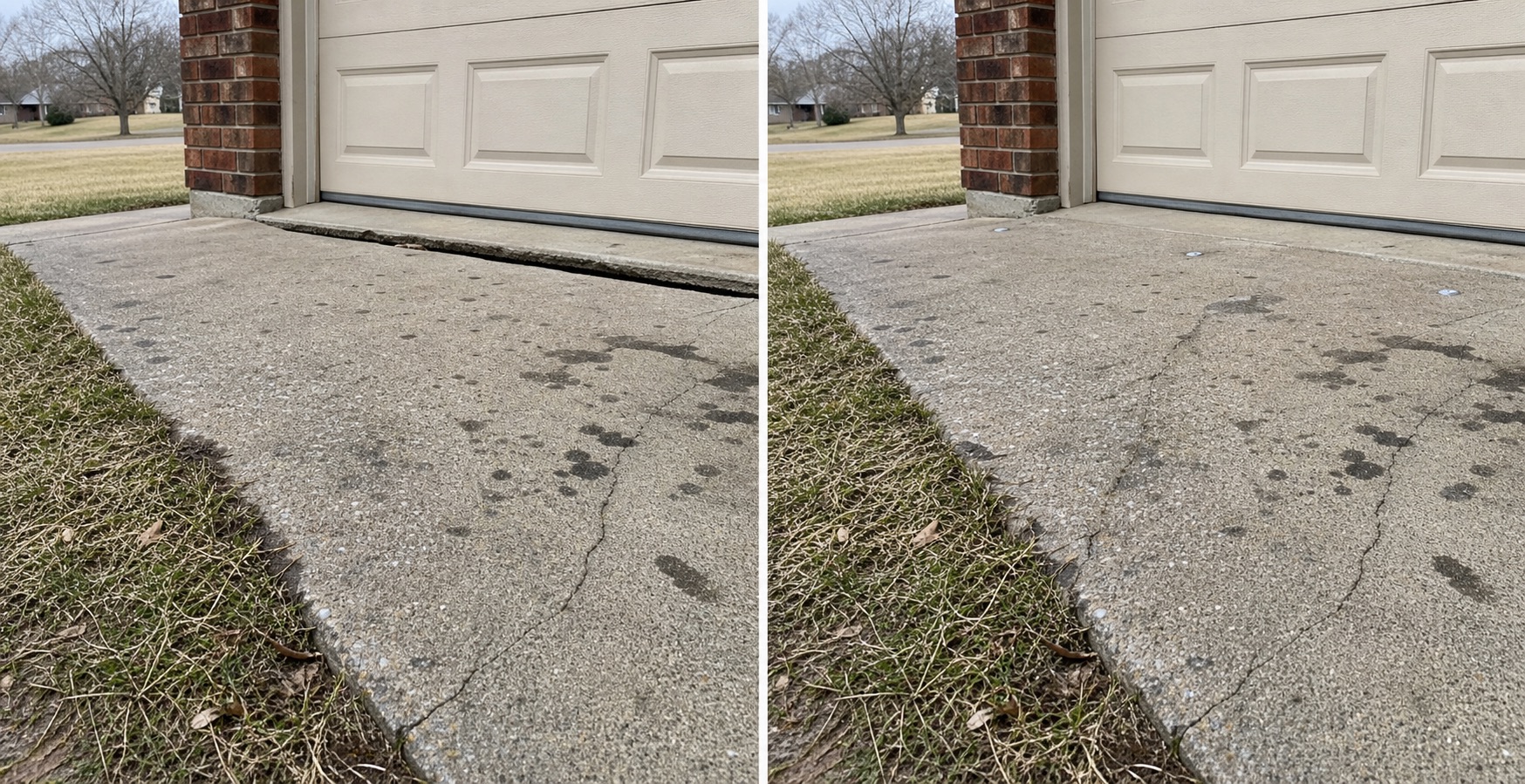
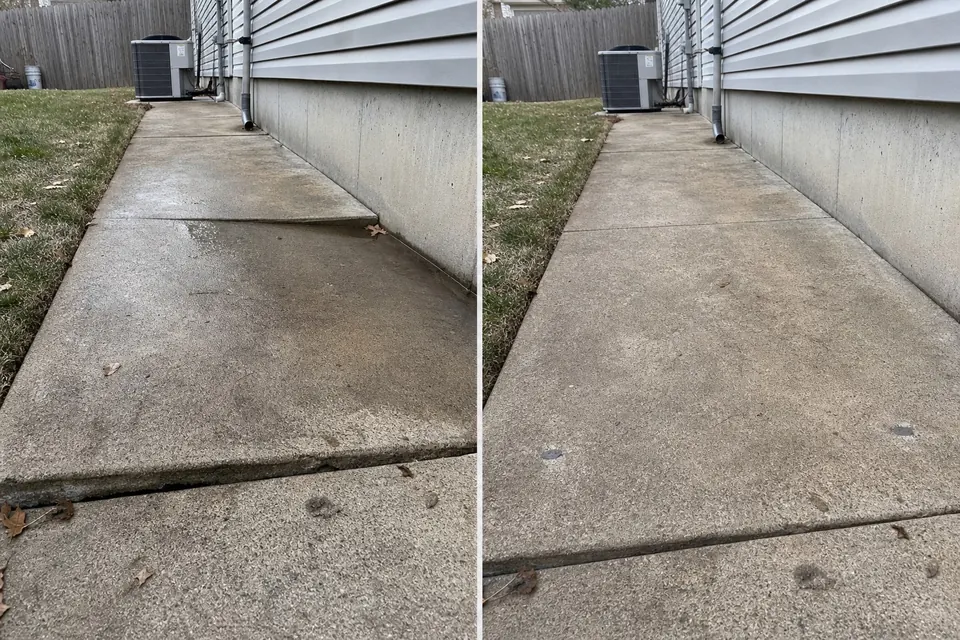
A lip or step-up at a driveway, sidewalk, or garage joint
A patio or walk that tips toward the house
Gaps opening between steps, stoops, and the foundation
Water pooling on a slab or flowing toward the home
Hollow sounds or visible washout along a slab edge
Common Mission Projects
The concrete we lift most often in Mission.
Every slab is different, so we start with what is happening at your property. These are the repairs Mission property owners ask us about most.
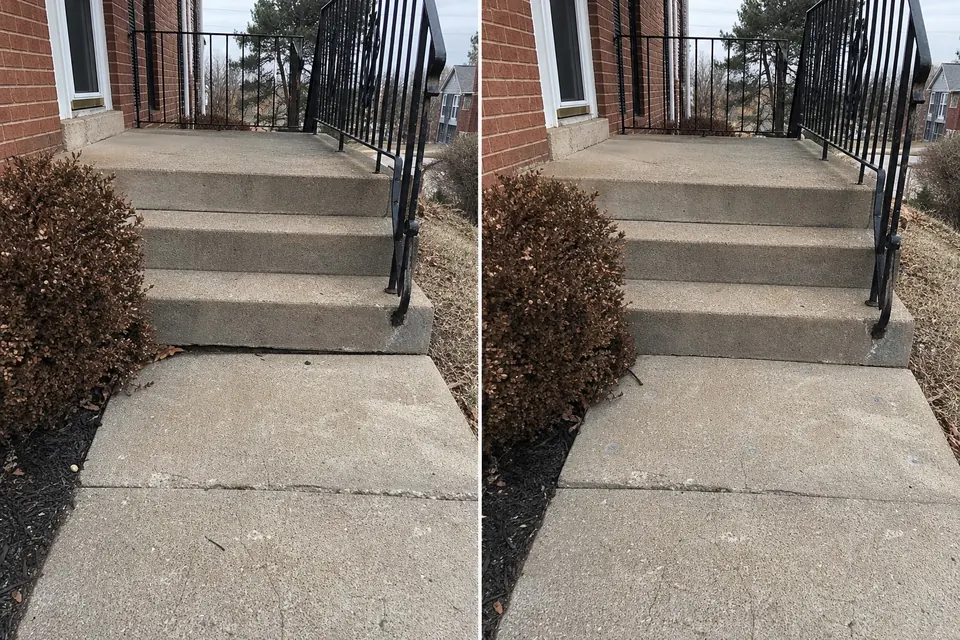
Rental property walks and stoops
Apartment buildings, duplexes and single-family rentals in Mission have many entry walks and stoops. Lifting settled sections reduces trip hazards for tenants and keeps entries usable, without the long closures and haul-off that come with replacing the concrete.
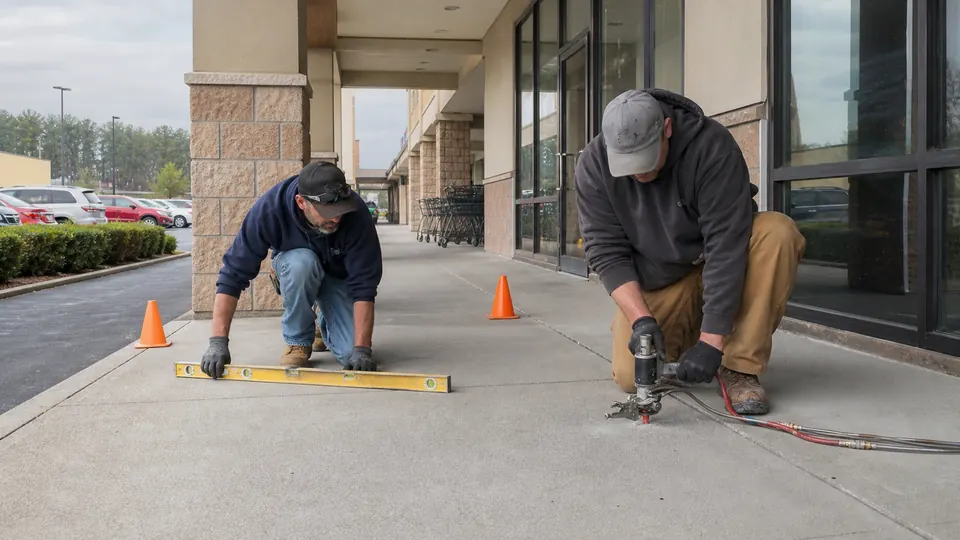
Storefront sidewalks
Shops and offices along Johnson Drive depend on safe sidewalks. Where a panel has dropped at a joint and the property owner is responsible for the walk, foam can raise it back to meet the next one with less disruption than removal and replacement.
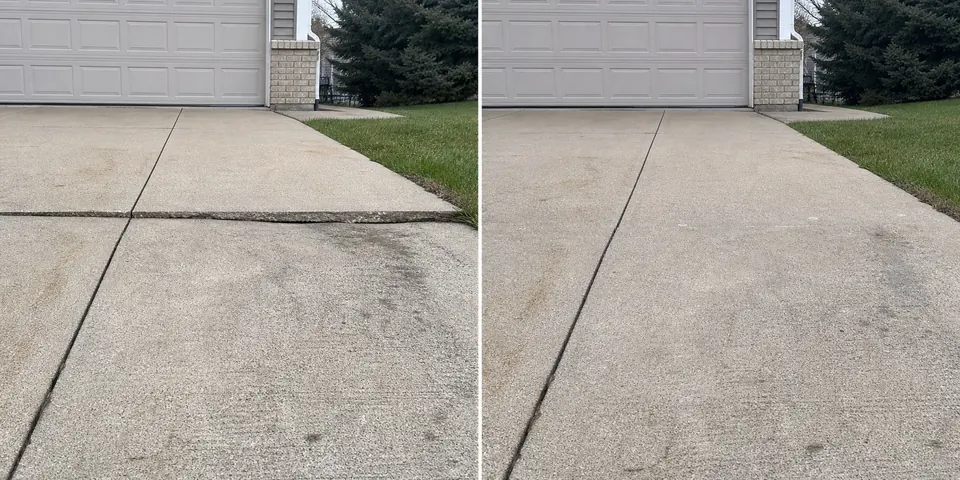
Narrow driveways beside the house
Many Mission homes have narrow driveways running beside the house to the garage. When a panel along the house drops, it can direct water toward the foundation. Lifting it can restore drainage away from the wall.
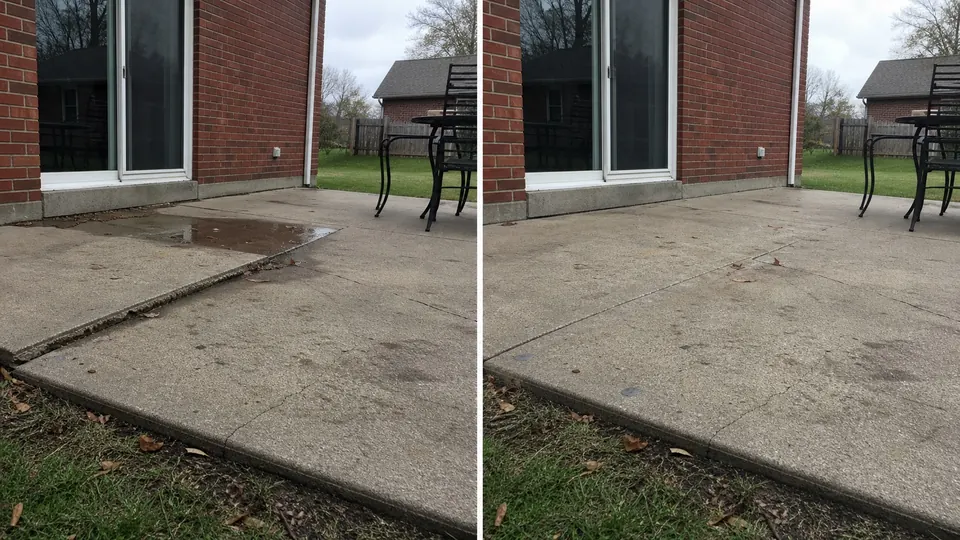
Small back patios
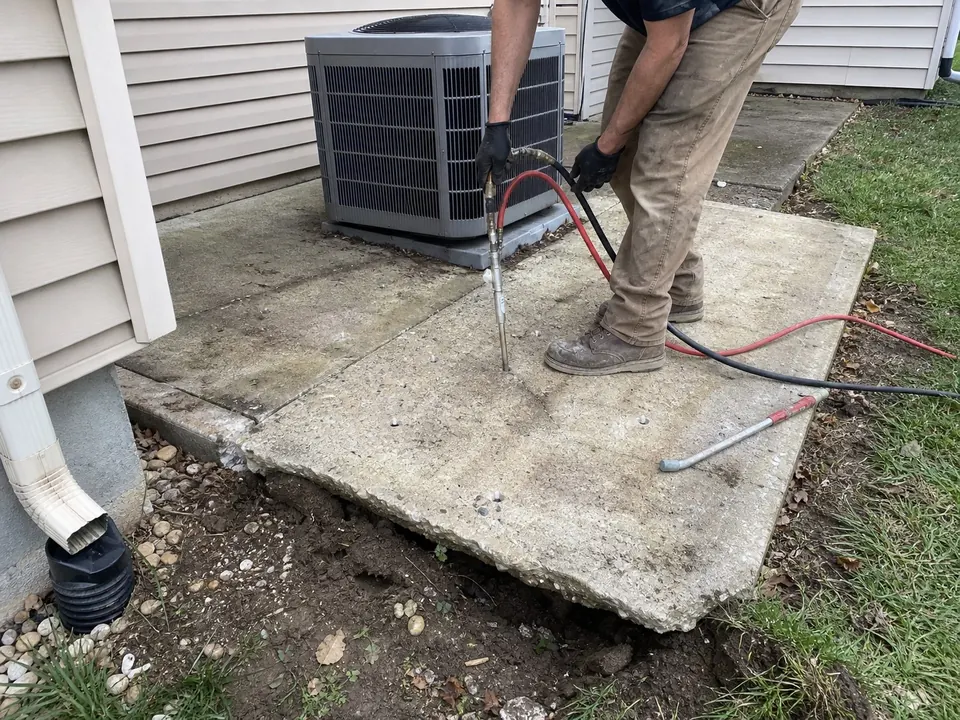
Original patios behind post-war homes are often small slabs that have settled toward the back door. Lifting the low edge brings them back to a safer, more usable surface and keeps rain from collecting at the threshold.
Our Mission Leveling Process
From your first photo to a supported slab.
01
Send photos
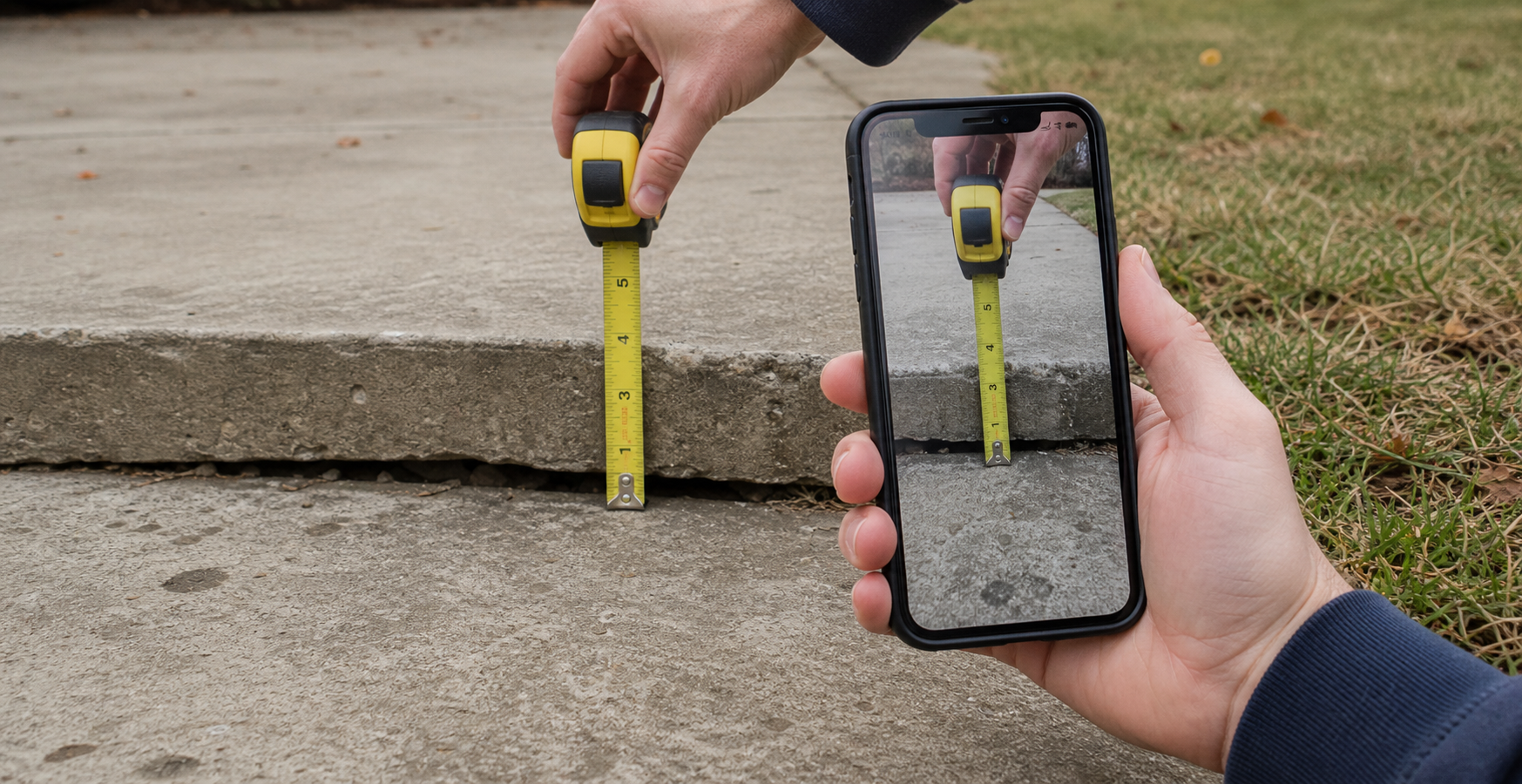
Text a wide shot, close-ups of the low joints, a tape measure showing the drop, and the address.
02
Review & quote
We look at the settlement, slab condition, and drainage, and follow up with a quote or questions.
03
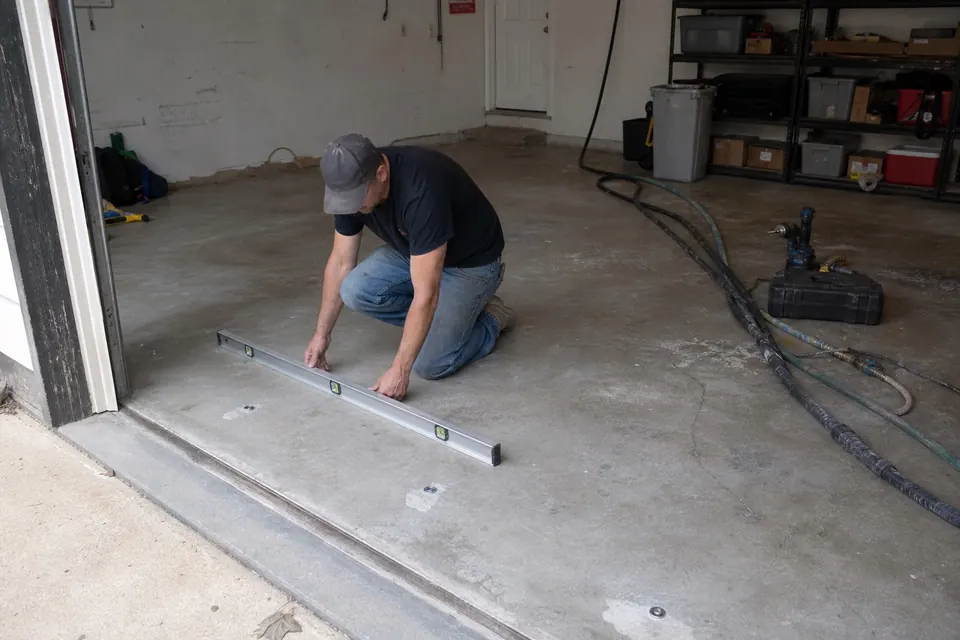
Drill small ports
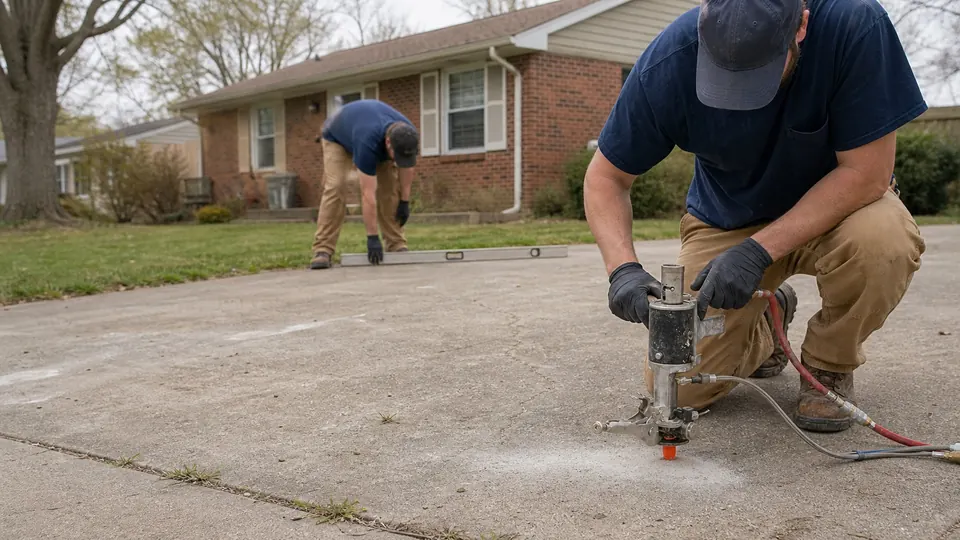
On the day of the repair we drill small access holes at planned points across the settled slab.
04
Lift in stages
Expanding polyurethane fills the voids and raises the concrete gradually while we watch the transitions.
05
Patch & clean up
Ports are patched, the area is cleaned, and the surface can usually be used again soon after.
Services in Mission
Concrete lifting services available in Mission, KS.
Metro Wide lifts and stabilizes most types of flatwork. Choose a service to learn how the repair works.
I own a rental in Mission. Can you work with my tenants on access?
Yes. The work is done from outside, so we usually need access to the slab and a spot to park the trailer, not access to the unit. It helps to let tenants know which walk or stoop will be closed briefly while we work and while the port patches set. We can coordinate details with you or your property manager when we schedule.
Does foam leveling work on concrete this old?
Often it does. Age alone is not a problem if the slab is still in reasonably solid pieces. Older concrete can be thinner or have more surface wear, so we look closely at photos before recommending a lift. If a slab is crumbling, heavily scaled or broken into many small pieces, lifting will not give a good result, and replacement is the better choice.
Can you lift concrete in Mission during the colder months?
Often, depending on conditions. Snow and ice need to be cleared from the slab, and very cold or wet days can push a job back. Winter is actually when many people notice trip edges, since shovels and snowblowers catch on raised joints. You can text photos any time of year, and we will let you know what scheduling looks like for your project.
When is replacement a better choice than leveling?
If the concrete is badly broken, crumbling, severely spalled, or cannot move without damaging a fixed structure, replacement may be the better investment. We tell you when a slab is not a good lifting candidate rather than recommending a repair that will not hold up. Our leveling vs. replacement guide covers the trade-offs.
Can leveling fix water running toward my foundation?
Sometimes. Raising a patio, walk, or driveway panel that settled toward the house can restore some pitch away from the foundation. Drainage also depends on gutters, downspouts, and surrounding grades, so we point out anything that is likely to undo the repair.
How big are the holes you drill?
Polyfoam lifting uses small access ports, much smaller than the holes used for traditional mudjacking. The number and placement depend on the slab. After the lift, the ports are patched.
Mission Estimate
Find out if your Mission concrete can be saved.
Text a wide photo, a close-up of the uneven area, a tape measure showing the drop, and your address. We will review it and follow up with a quote.
We accept Visa, Mastercard, American Express, Discover, Venmo, cash, and checks. Ask about payment details when scheduling your project.
Kansas City Metro Coverage
Explore our general service area.
Zoom, drag, or select a marker to explore communities within Metro Wide’s 75-mile Kansas City service radius. Scheduling varies by address and project type.
 Garage floor leveling
 Sidewalk & walkway leveling
 Porch & stoop leveling
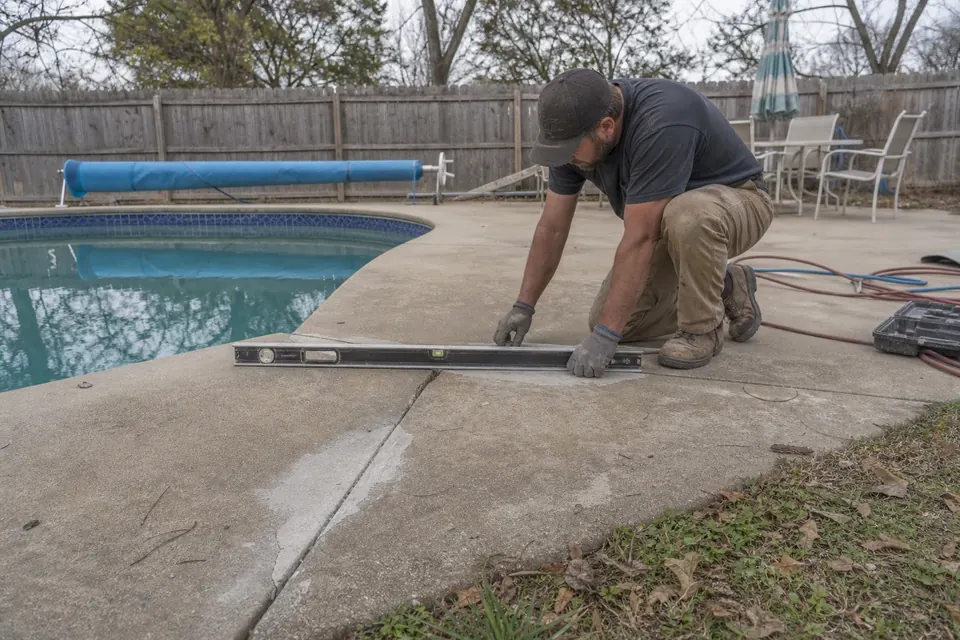 Pool deck leveling
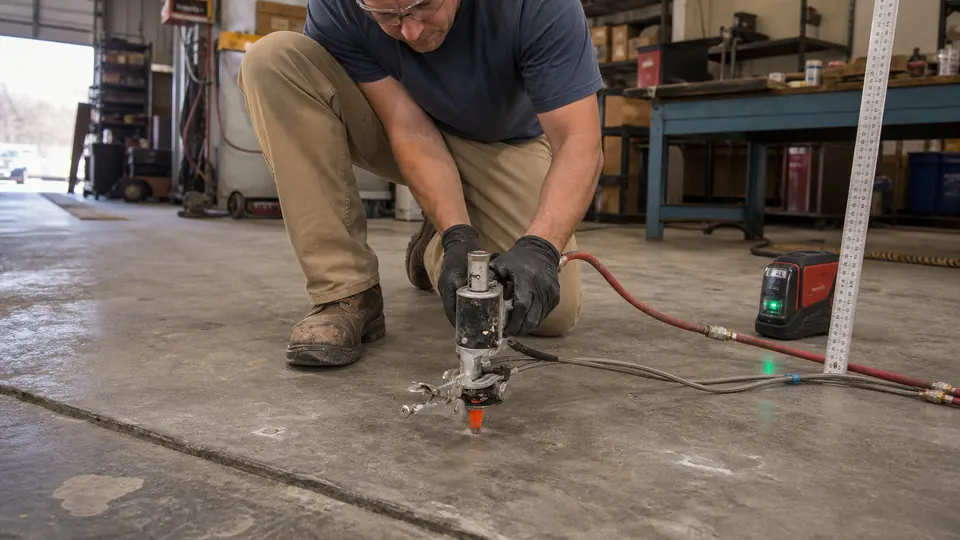 Concrete slab leveling
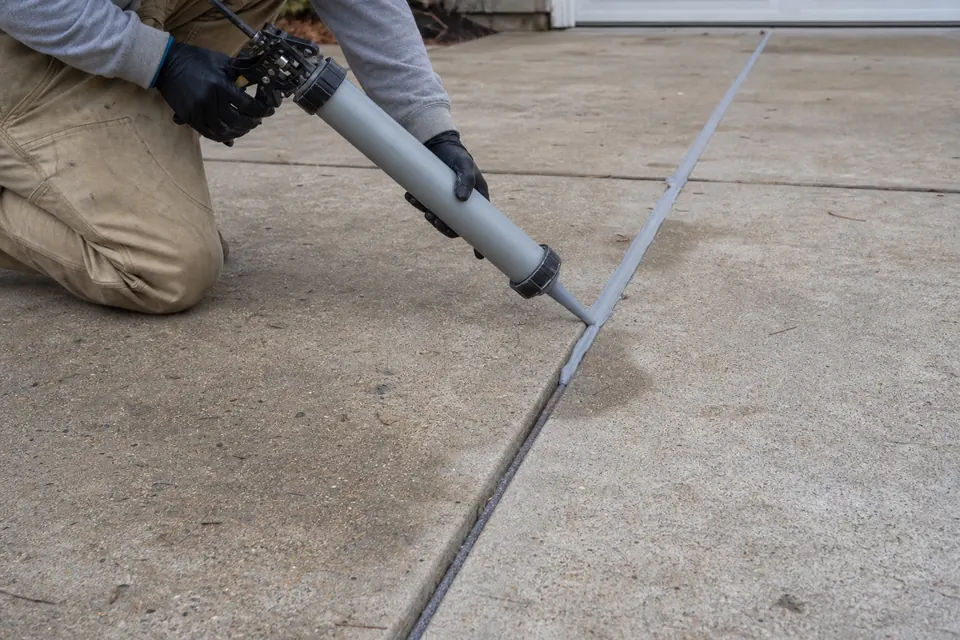 Crack & joint sealing