Gardner has grown fast, and many of its homes sit on lots that were farm ground not long ago. When fill soil under a driveway, walk or patio settles, Metro Wide lifts the concrete back into place with polyurethane foam, with no tear-out required.
Gardner is in southwest Johnson County along I-35 and US-56, near the historic junction where the Santa Fe Trail and the Oregon and California Trails split. The original town around Main Street has older homes on traditional blocks, but most of Gardner's housing is much newer, with subdivisions built since the 1990s spreading across what was open prairie and farmland. Nearby, the logistics development around Edgerton and the New Century AirCenter has brought a steady stream of warehouse and industrial construction.
Newer homes are where we see the most settling here. Driveway panels next to the garage, walks running along the front of the house, and back patios poured right against the foundation often drop within the first decade, sometimes much sooner. In the older part of town, it is more often a front walk or stoop that has slowly settled over many years.
Polyurethane foam lifting raises those slabs through small ports. It is a practical fix for a newer homeowner who doesn't want a torn-up driveway, and for an older home where the concrete is still sound.
Gardner at a glance
Location: Gardner, KS, Johnson County
Distance: about 27 miles southwest of downtown Kansas City
Method: polyurethane foam lifting through small ports
Estimates: free, often by text from your photos
Warranty: 2 years on residential lifting
Properties: residential and commercial
Gardner sits roughly 27 miles southwest of downtown Kansas City, well inside Metro Wide’s 75-mile coverage radius. Scheduling depends on the address and the size of the project, and a remote quote from your photos lets us plan the trip before we arrive.
Local Conditions
Why concrete settles in Gardner.
Gardner sits on high, fairly open ground, and much of it has the clay-rich upland soils found across southern Johnson County. These soils expand when wet and shrink as they dry, and with fewer mature trees and buildings to break the wind and sun, open lots can dry out deeply during a hot summer and then take on water quickly in spring storms.
The bigger factor is construction. Large subdivisions are graded all at once, with soil moved from high spots to low spots and pushed back against foundations after basements are poured. That fill is less dense than undisturbed ground, and it keeps compressing for years after concrete is poured over it. Garage aprons, front walks and patios sit right on top of the most recently disturbed soil, so they are usually the first to drop.
Drainage on new lots is often unfinished too. Downspouts that discharge next to the driveway, sump lines that run onto a patio, and yard grading that hasn't been touched up since construction all send water to the edge of a slab. Fixing those alongside a lift helps keep the concrete where it belongs.
Signs your slab has lost support
A lip or step-up at a driveway, sidewalk, or garage joint
A patio or walk that tips toward the house
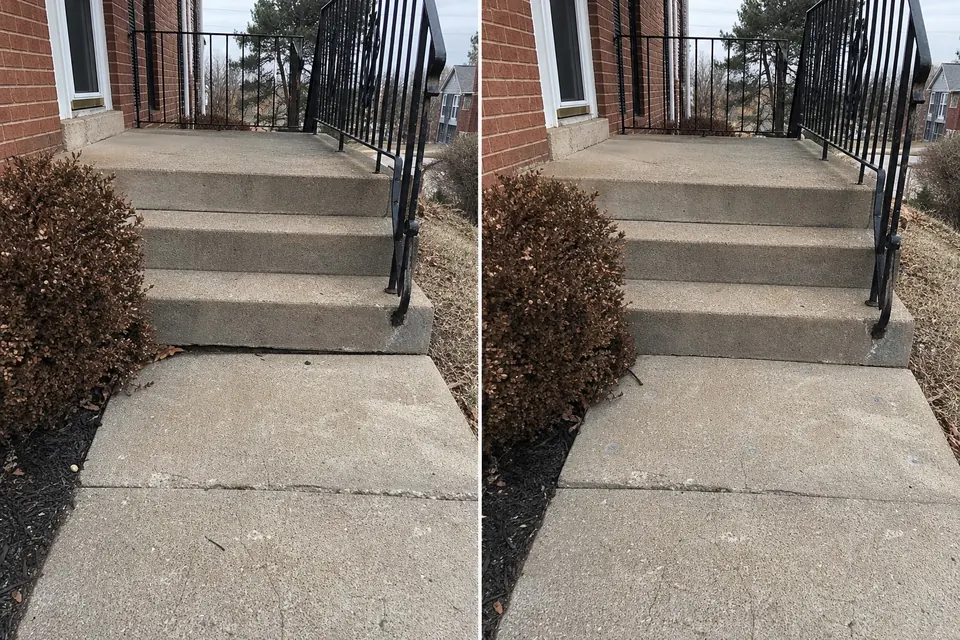
Gaps opening between steps, stoops, and the foundation
Water pooling on a slab or flowing toward the home
Hollow sounds or visible washout along a slab edge
Common Gardner Projects
The concrete we lift most often in Gardner.
Every slab is different, so we start with what is happening at your property. These are the repairs Gardner property owners ask us about most.
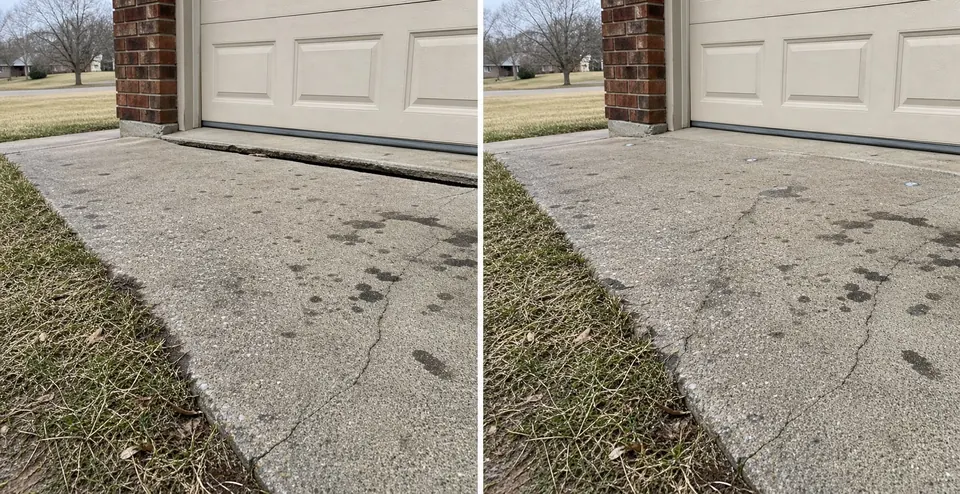
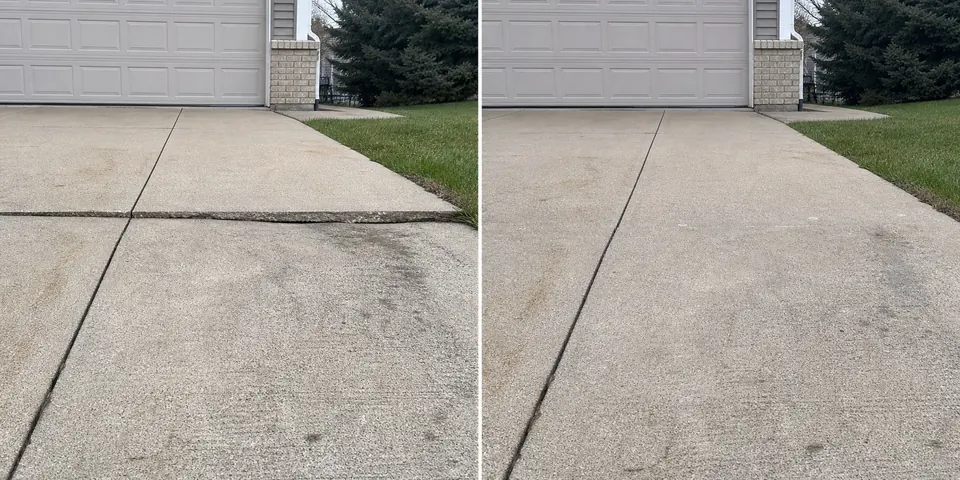
Garage aprons on newer homes
The panel closest to the garage is the one that most often drops on a newer home, because it sits on the backfill around the foundation. Raising it removes the lip at the garage door and keeps water flowing away from the house.
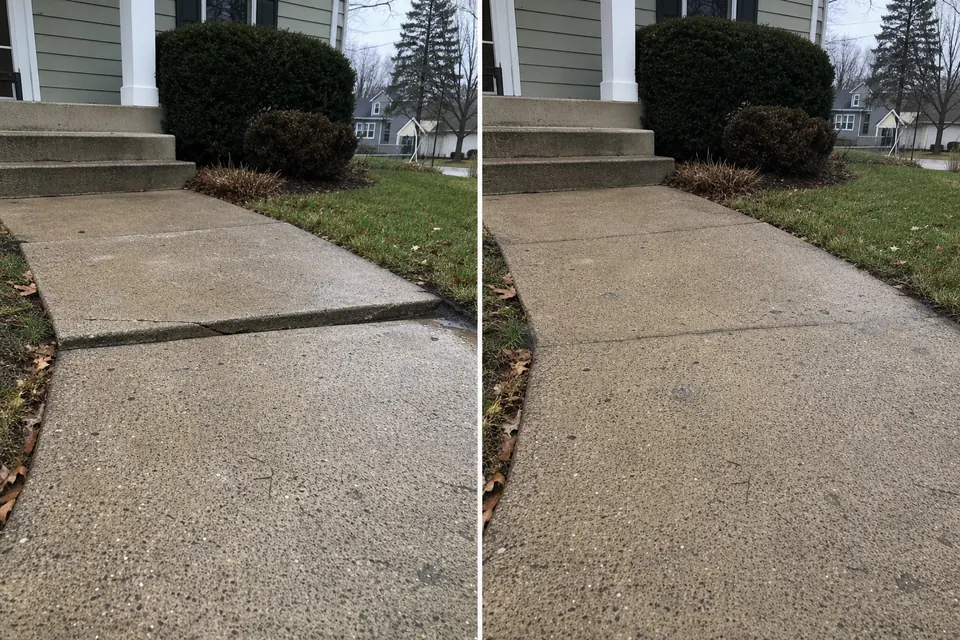
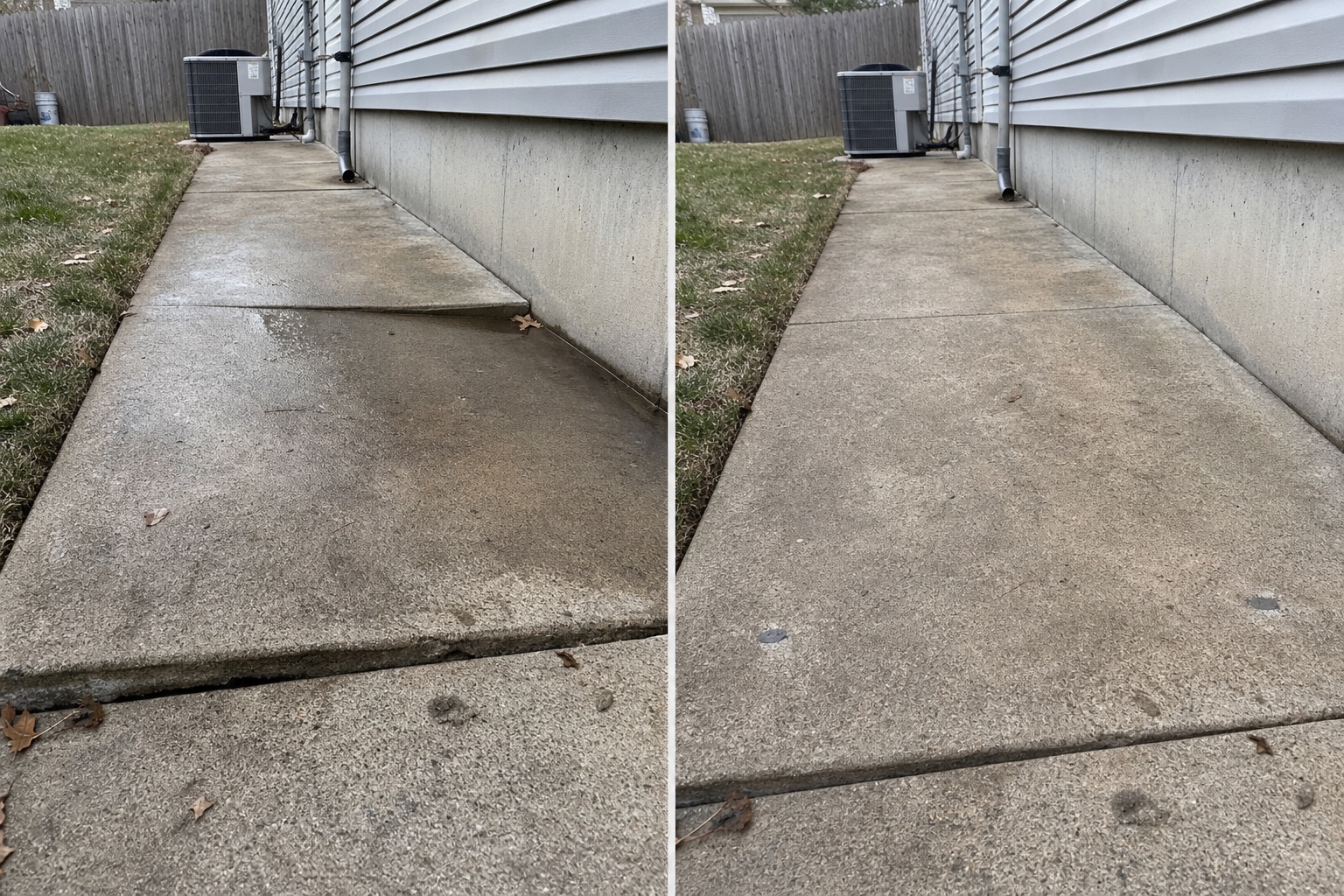
Walks along the front of the house
Front walks that run parallel to the foundation sit on backfill too, and they often tip toward the house or drop at the stoop. Lifting them restores a level path and pitch away from the wall.
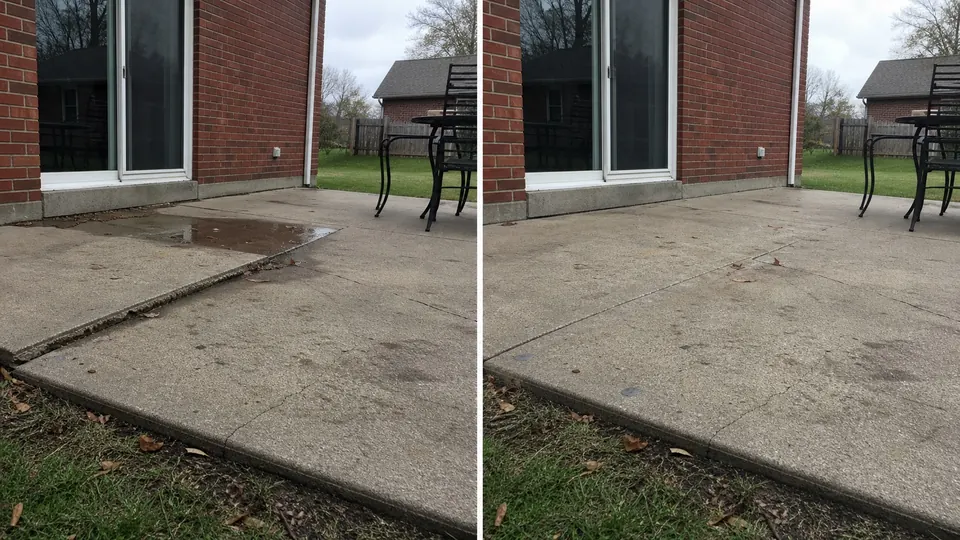
Patios with standing water
New-construction patios poured on fill can sink near the back door and collect water after storms. Foam lifting raises the low side so rain drains out toward the yard instead of back toward the foundation wall.
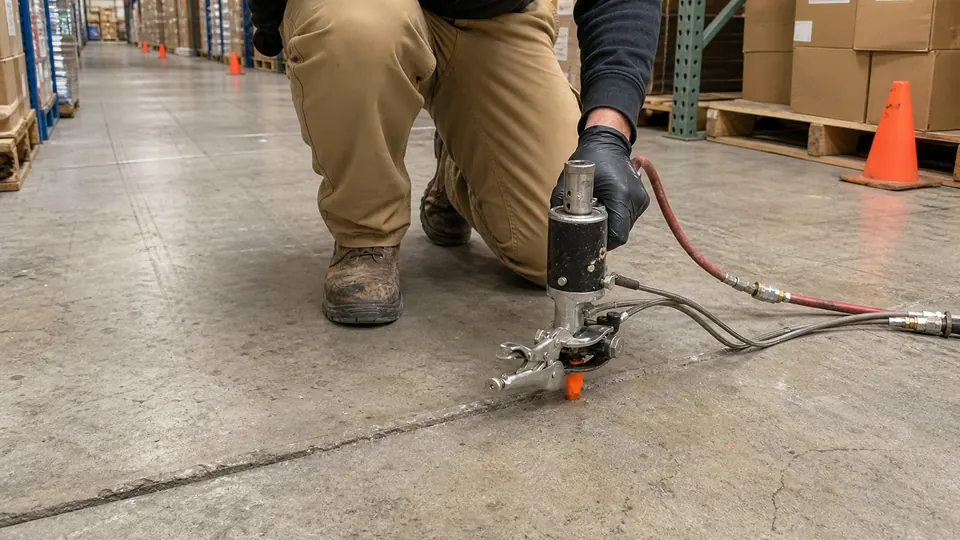
Warehouse and industrial slabs
The warehouse and logistics growth around Gardner includes sidewalks, entry pads and exterior slabs that can settle over fill. We work on commercial properties too and can evaluate whether foam lifting is a good fit for a given slab.
Our Gardner Leveling Process
How a polyfoam lift works, step by step.
01
Send photos
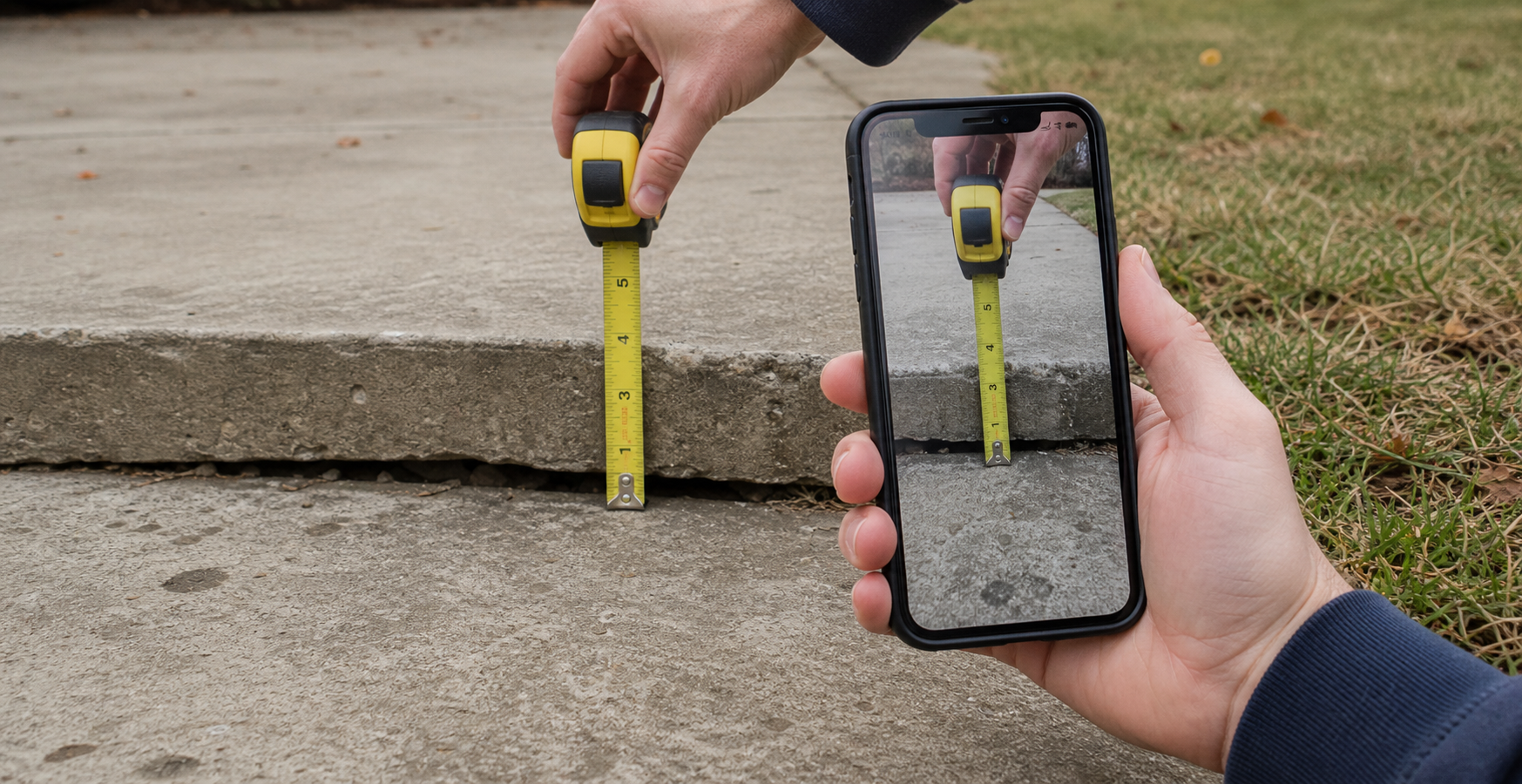
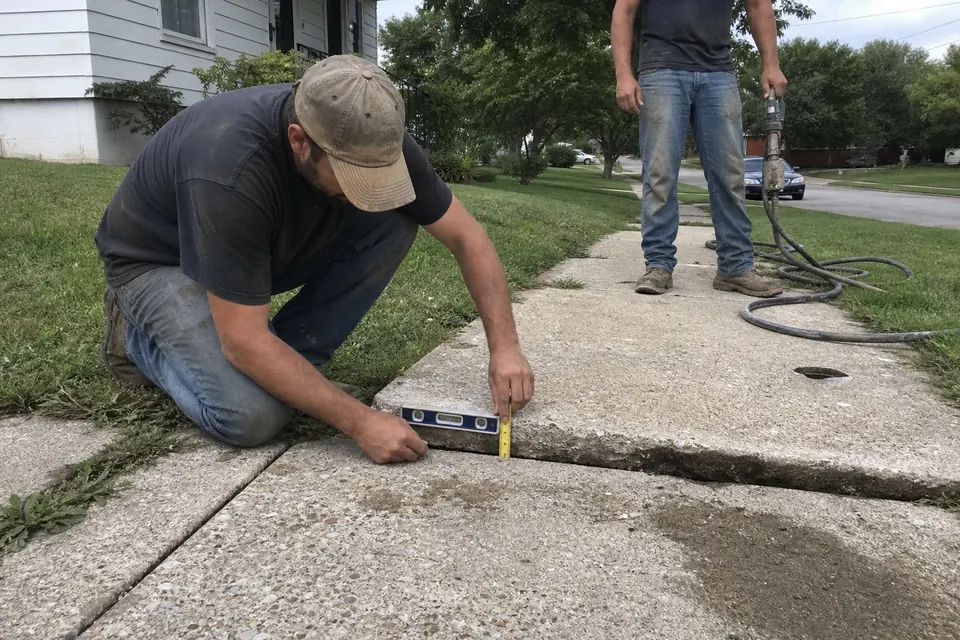
Text a wide shot, close-ups of the low joints, a tape measure showing the drop, and the address.
02
Review & quote
We look at the settlement, slab condition, and drainage, and follow up with a quote or questions.
03
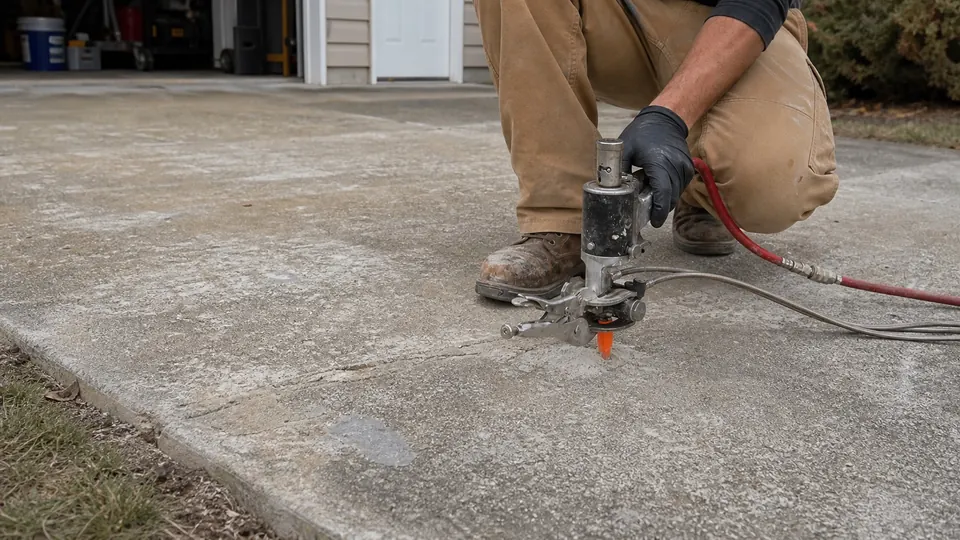
Drill small ports
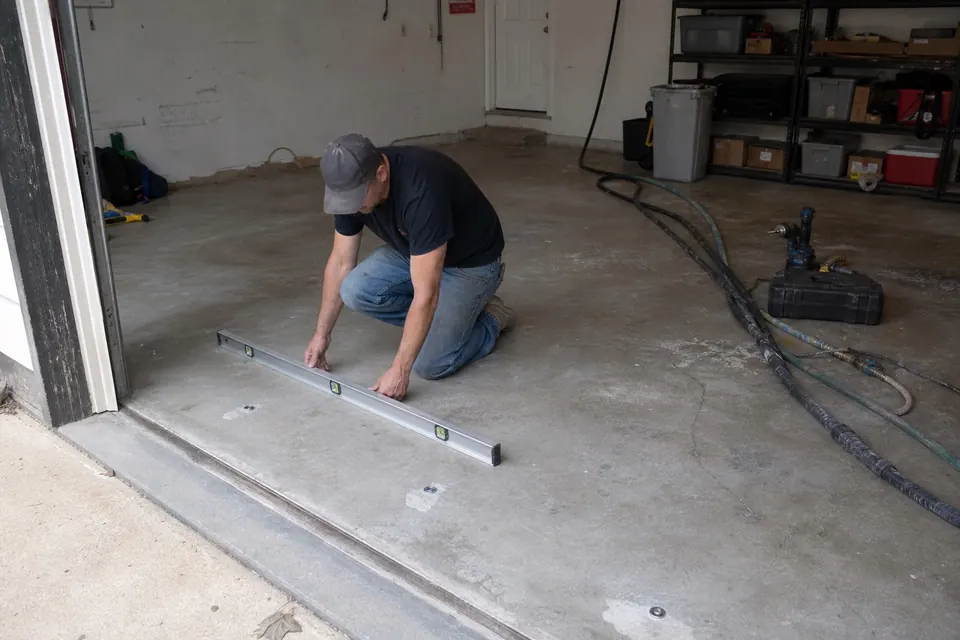
On the day of the repair we drill small access holes at planned points across the settled slab.
04
Lift in stages
Expanding polyurethane fills the voids and raises the concrete gradually while we watch the transitions.
05
Patch & clean up
Ports are patched, the area is cleaned, and the surface can usually be used again soon after.
Services in Gardner
Concrete lifting services available in Gardner, KS.
Metro Wide lifts and stabilizes most types of flatwork. Choose a service to learn how the repair works.
My Gardner home is only a few years old. Should I wait for the settling to stop?
Waiting usually lets the void under the slab grow and gives cracks more chance to form, especially once water starts collecting at the low edge. Lifting fills the existing voids and supports the slab now. The fill under a newer home may continue to compress somewhat, which is why addressing drainage at the same time matters. Our residential lifts are backed by a 2-year warranty.
Why is there a lip between my garage floor and driveway?
The garage floor sits on soil inside the foundation walls, which is usually well supported. The driveway apron just outside it sits on backfill placed after the foundation went in. As that backfill compresses, the apron drops and a lip forms at the garage door. Foam lifting raises the apron back to meet the garage floor, and sealing the joint afterward helps keep water out.
Do you need to come out before giving me a quote?
Not always. For most driveways, walks and patios, photos are enough to start. Send a picture of the whole slab, a few close-ups of the low spots, a tape measure across any lip, and your Gardner address. We will reply with a quote or let you know if we need more information before scheduling the work.
Can leveling fix water running toward my foundation?
Sometimes. Raising a patio, walk, or driveway panel that settled toward the house can restore some pitch away from the foundation. Drainage also depends on gutters, downspouts, and surrounding grades, so we point out anything that is likely to undo the repair.
How big are the holes you drill?
Polyfoam lifting uses small access ports, much smaller than the holes used for traditional mudjacking. The number and placement depend on the slab. After the lift, the ports are patched.
How much does concrete leveling cost in Gardner?
Pricing depends on the size of the slab, how far it has settled, how much void space is underneath, access, and how many areas need work, so we do not publish a flat price. Text photos, rough measurements, and your Gardner address and we can usually provide a remote quote. Leveling is often far less disruptive than tearing out and replacing a slab that is still usable.
Gardner Estimate
Find out if your Gardner concrete can be saved.
Text a wide photo, a close-up of the uneven area, a tape measure showing the drop, and your address. We will review it and follow up with a quote.
We accept Visa, Mastercard, American Express, Discover, Venmo, cash, and checks. Ask about payment details when scheduling your project.
Kansas City Metro Coverage
Explore our general service area.
Zoom, drag, or select a marker to explore communities within Metro Wide’s 75-mile Kansas City service radius. Scheduling varies by address and project type.
 Driveway leveling
 Garage floor leveling
 Steps leveling
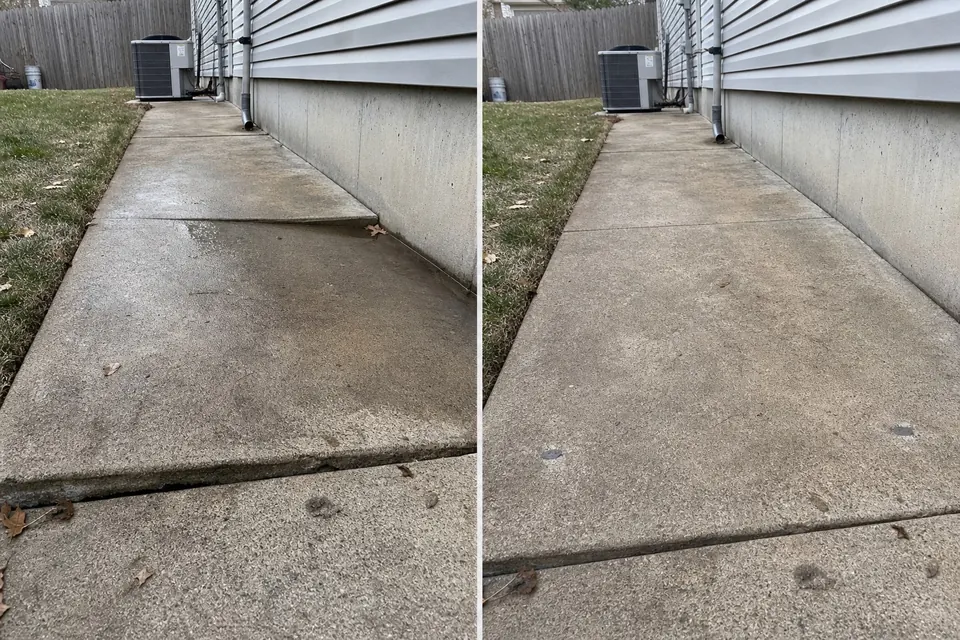 Porch & stoop leveling
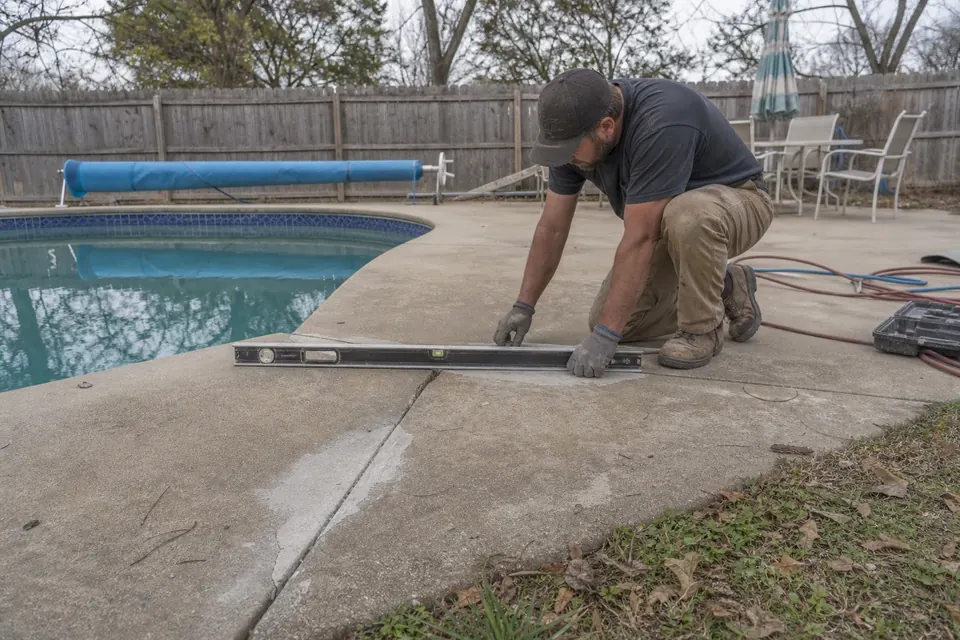 Pool deck leveling
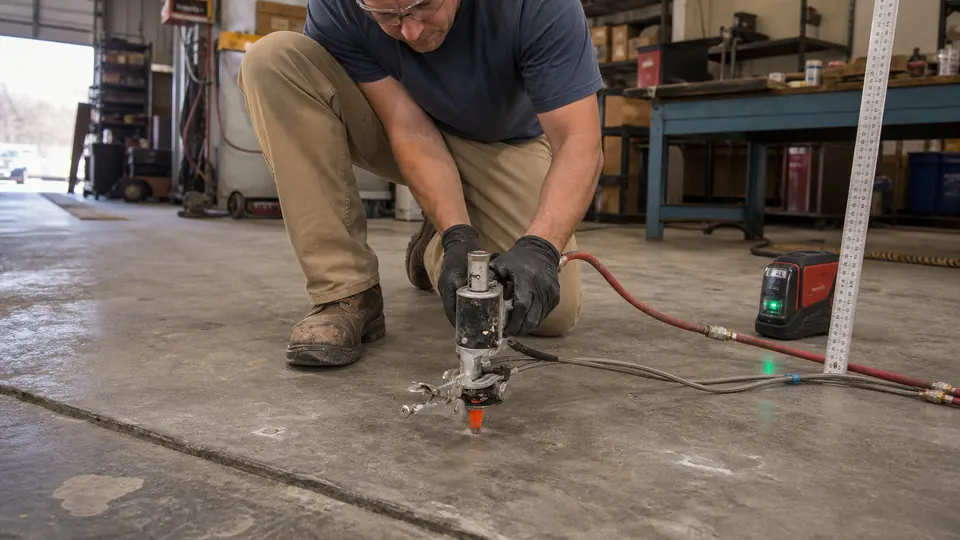 Concrete slab leveling
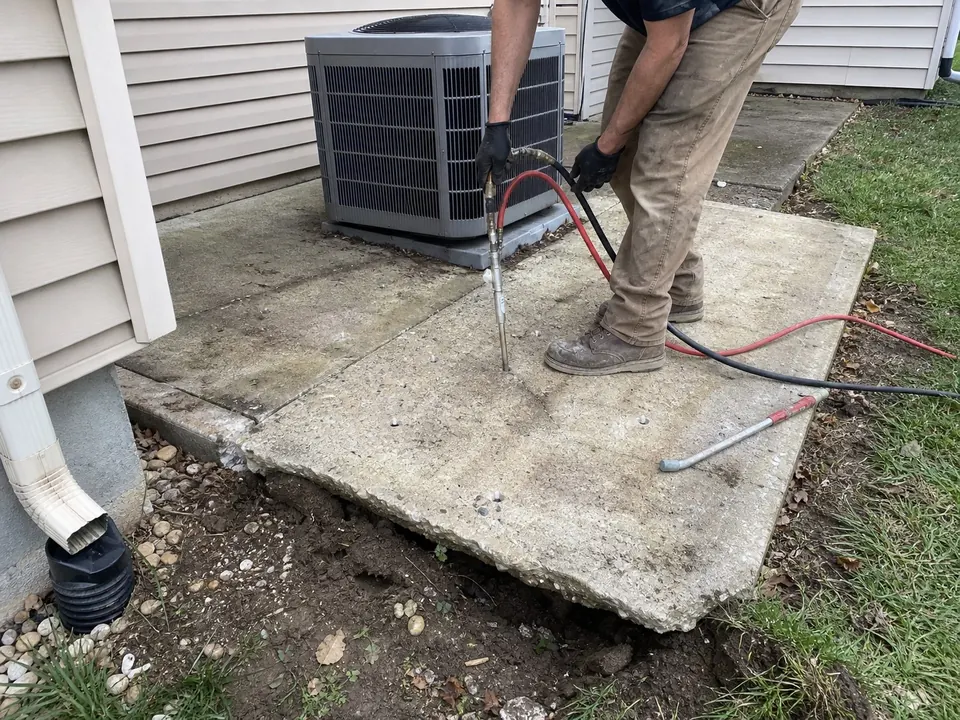 Void filling
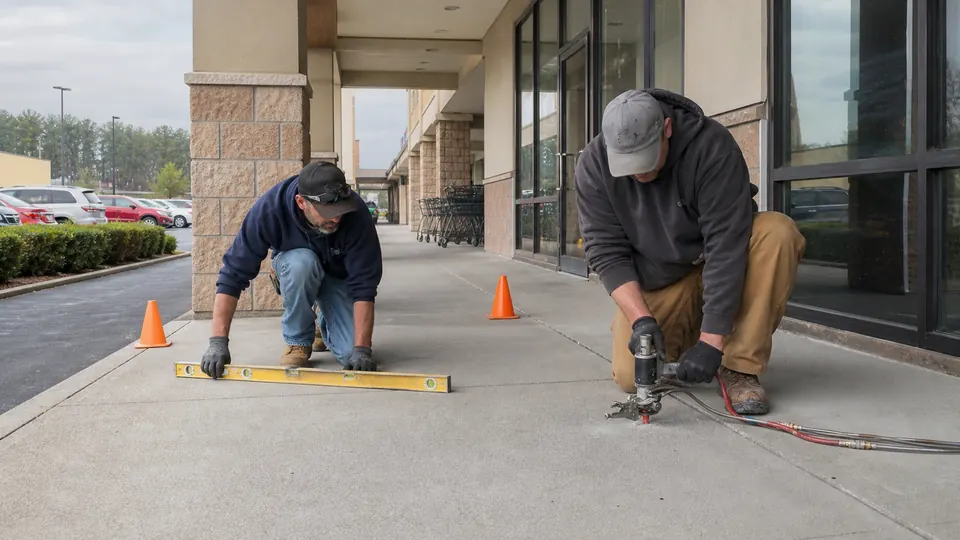 Commercial concrete leveling
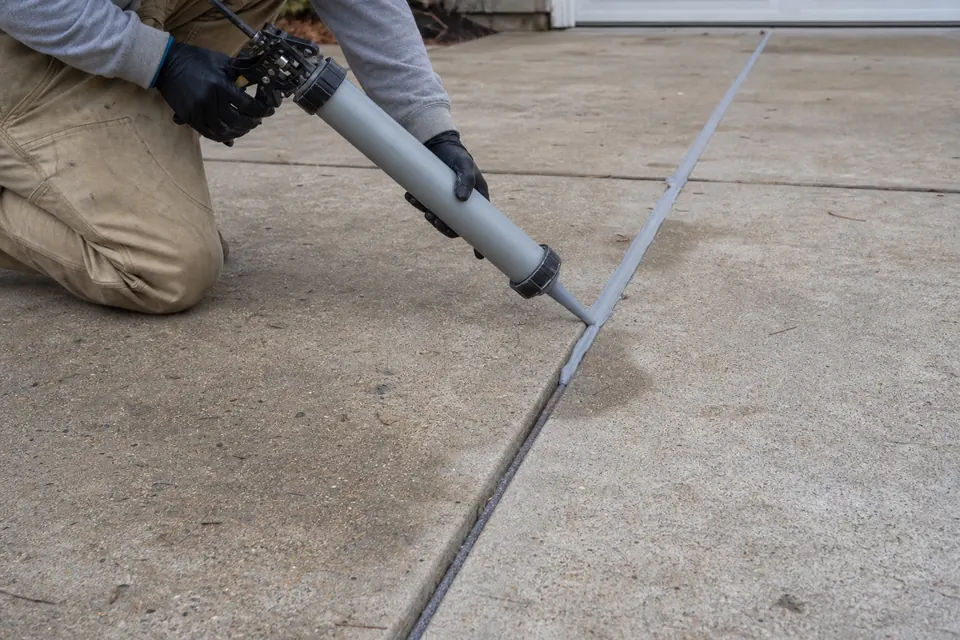 Crack & joint sealing