Pleasant Hill homes range from older houses near the historic downtown to newer builds on the edges of town. When a driveway, walk, or patio drops, Metro Wide lifts it with polyurethane foam so you can keep the concrete you already have.
Pleasant Hill grew up as a railroad town in northern Cass County, and that history still shows in the brick storefronts downtown and the older homes on the surrounding blocks. Those houses often have narrow front walks, short driveways, and steps that were poured generations ago. Farther out, newer subdivisions and homes on acreage have wider driveways, shop slabs, and patios that are only a few years old but already shifting. Many of those properties sit on the gently rolling farm ground that surrounds town.
The calls we get from Pleasant Hill tend to fall into two groups. One is the older walk or stoop that has slowly tipped toward the house or broken into uneven sections at every joint. The other is a newer driveway where the panels near the garage have sunk while the rest stayed put. In both cases, if the concrete is still in reasonable shape, we drill small ports, inject polyurethane foam underneath, and raise the slab back toward where it belongs. The ports are patched when we finish, and there is no tear-out or haul-off.
Pleasant Hill at a glance
Location: Pleasant Hill, MO, Cass County
Distance: about 27 miles southeast of downtown Kansas City
Method: polyurethane foam lifting through small ports
Estimates: free, often by text from your photos
Warranty: 2 years on residential lifting
Properties: residential and commercial
Pleasant Hill sits roughly 27 miles southeast of downtown Kansas City, well inside Metro Wide’s 75-mile coverage radius. Scheduling depends on the address and the size of the project, and a remote quote from your photos lets us plan the trip before we arrive.
Local Conditions
Why concrete settles in Pleasant Hill.
Cass County soils are largely clay, and clay changes volume with moisture. After a wet spring the ground under a slab swells, and after a dry August it shrinks and pulls away from the underside of the concrete. Repeat that for enough years and the slab loses steady contact with the soil beneath it. Winter freeze–thaw cycles add to the problem when water gets into joints and under slab edges and expands.
Much of the ground around Pleasant Hill is gently rolling, so runoff tends to cross driveways and run along the sides of houses on its way to nearby creeks. Where a downspout empties right next to a walk or patio, that water can wash fine soil out from underneath until the slab has nothing to rest on. On newer lots at the edge of town, fill placed during grading keeps compressing for years after the concrete is poured. We look for these drainage and fill patterns when we review your photos, because pointing them out is the best way to keep a lifted slab from settling again.
Signs your slab has lost support
A lip or step-up at a driveway, sidewalk, or garage joint
A patio or walk that tips toward the house
Gaps opening between steps, stoops, and the foundation
Water pooling on a slab or flowing toward the home
Hollow sounds or visible washout along a slab edge
Common Pleasant Hill Projects
The concrete we lift most often in Pleasant Hill.
Every slab is different, so we start with what is happening at your property. These are the repairs Pleasant Hill property owners ask us about most.
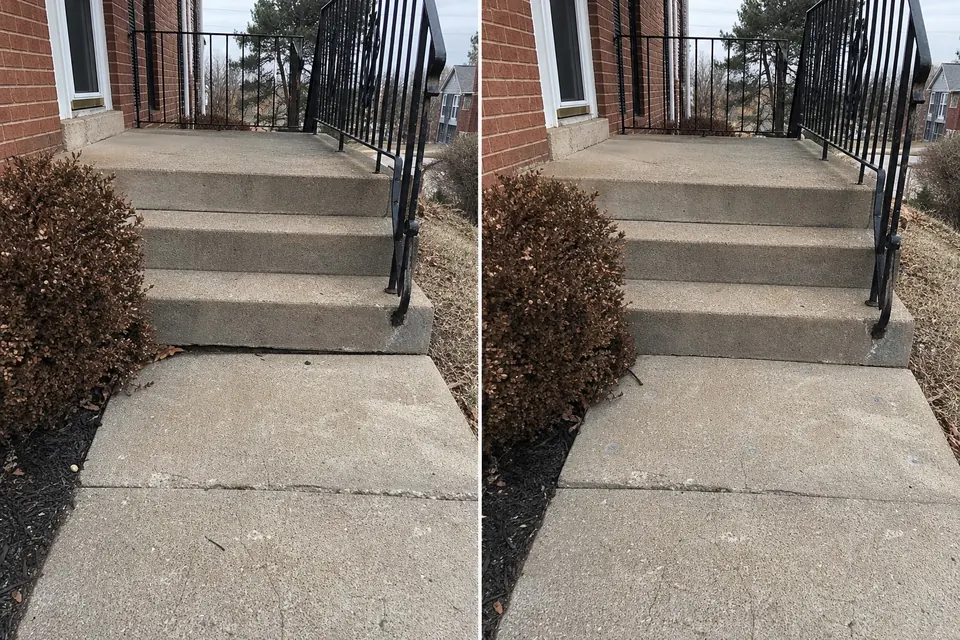
Older front walks and stoops
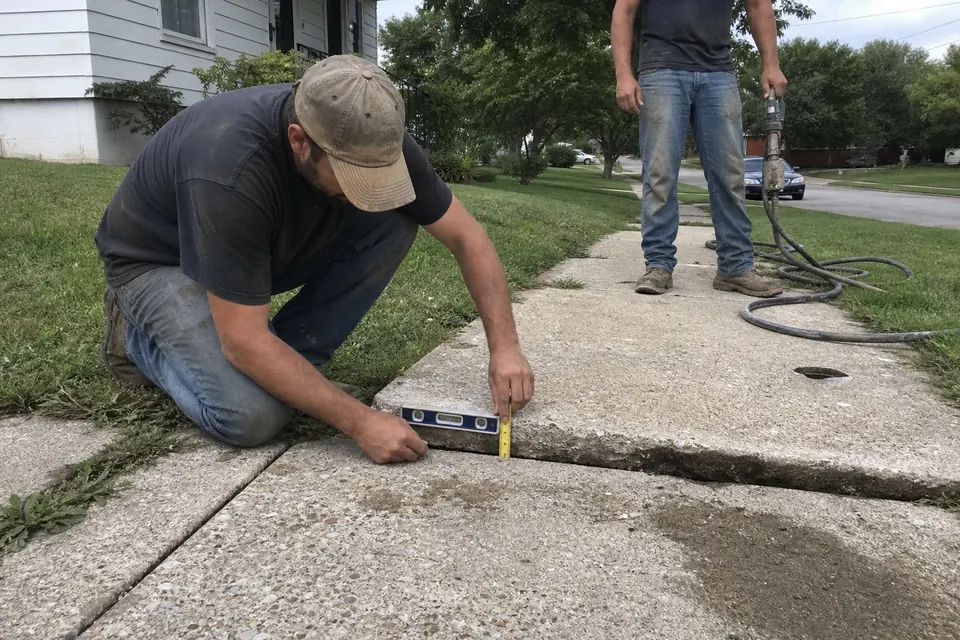
Walks near downtown Pleasant Hill were often poured in short sections that have shifted independently over the years. Lifting the low pieces evens out the joints and can bring a stoop back up against the house, as long as the concrete is not badly broken.
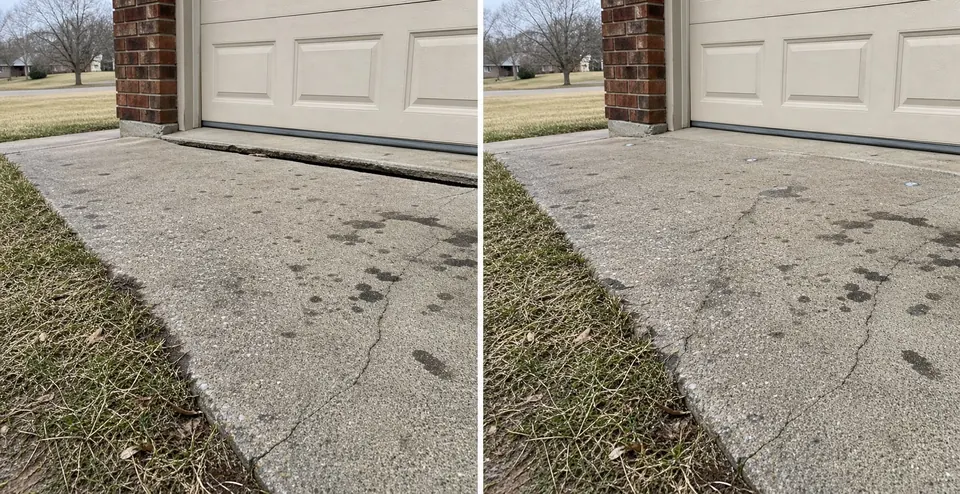
Driveway panels at the garage
On newer homes, the panel next to the garage is the one most likely to drop because it sits on backfill from the foundation dig. Raising it removes the lip at the garage door and helps water drain away from the house instead of toward it.
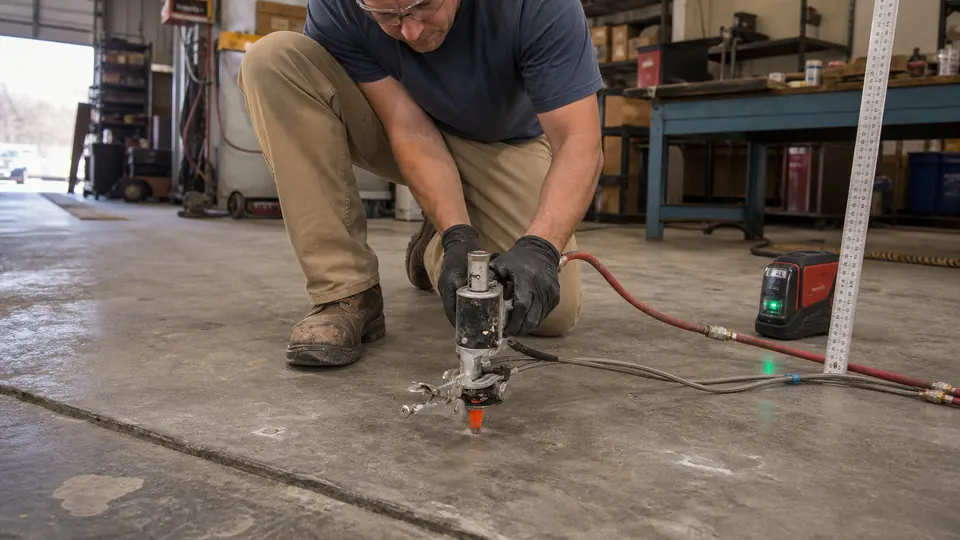
Shop and outbuilding slabs
Homes on acreage around Pleasant Hill often have a detached garage or pole building with a concrete floor. When a corner or the section at the overhead door settles, foam lifting can raise it without the demolition and cure time that come with pouring new concrete.
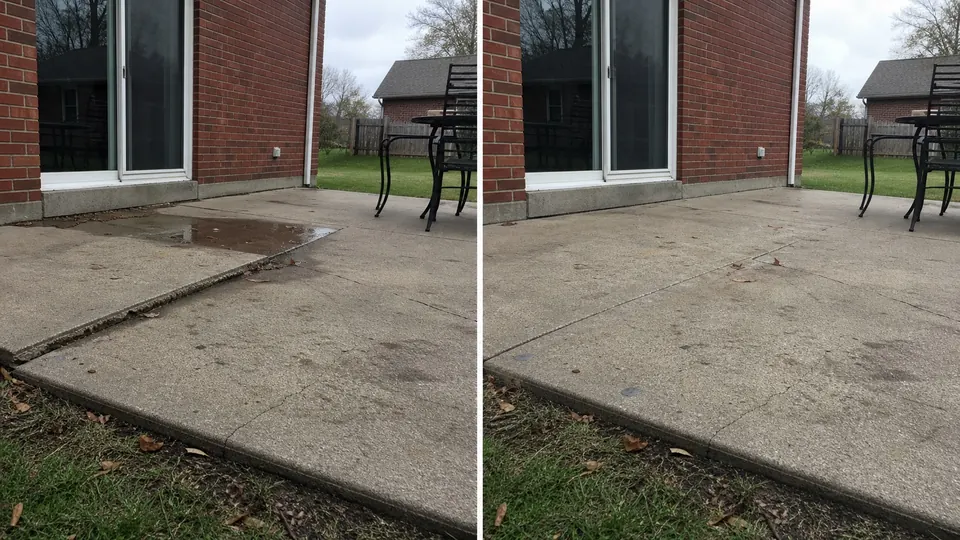
Patios and back steps
Patios that have rotated toward the foundation can send rain against the house. We raise the low side to restore a slope away from the home where the slab and yard grades allow it, and we will tell you if a cracked section is better replaced.
Our Pleasant Hill Leveling Process
A controlled lift with a small footprint.
01
Send photos
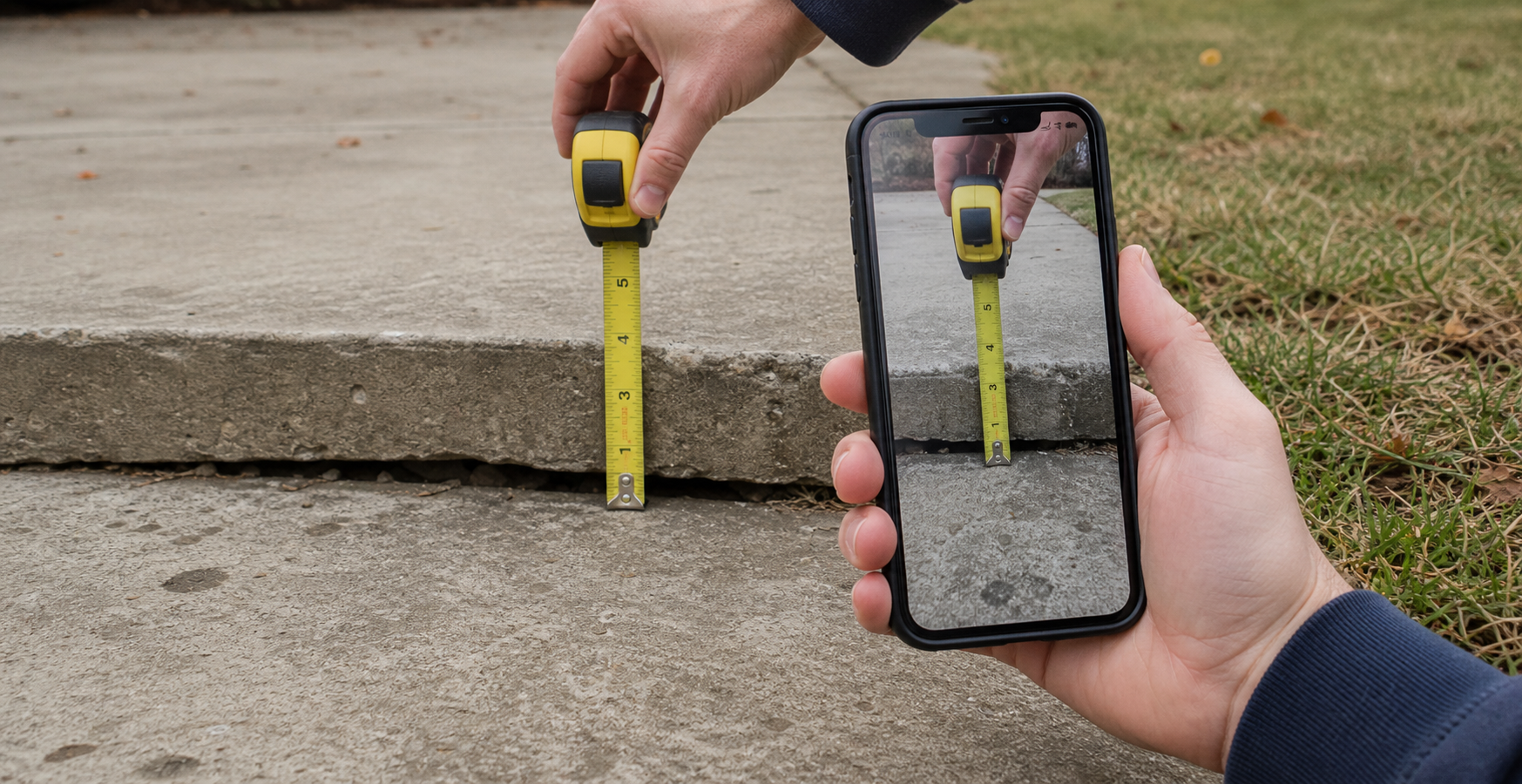
Text a wide shot, close-ups of the low joints, a tape measure showing the drop, and the address.
02
Review & quote
We look at the settlement, slab condition, and drainage, and follow up with a quote or questions.
03
Drill small ports
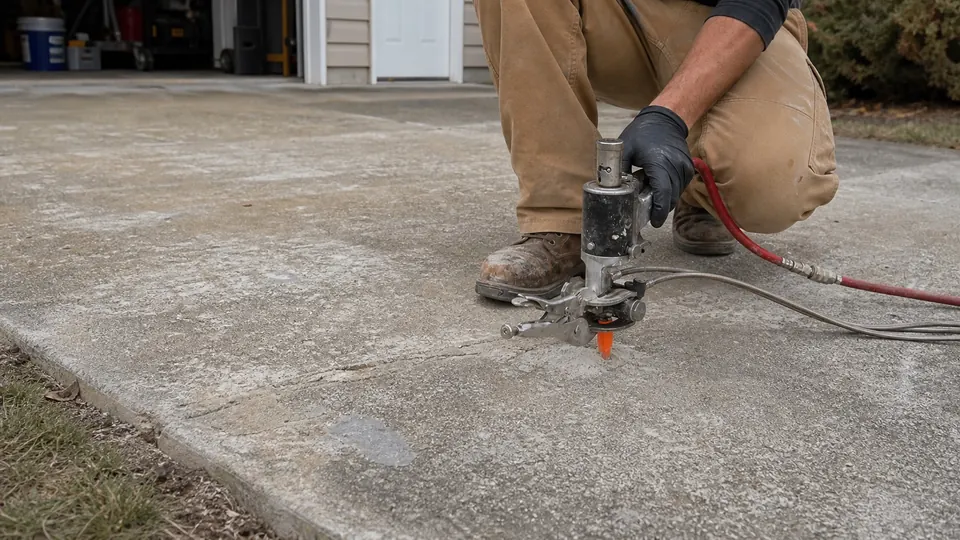
On the day of the repair we drill small access holes at planned points across the settled slab.
04
Lift in stages
Expanding polyurethane fills the voids and raises the concrete gradually while we watch the transitions.
05
Patch & clean up
Ports are patched, the area is cleaned, and the surface can usually be used again soon after.
Services in Pleasant Hill
Concrete lifting services available in Pleasant Hill, MO.
Metro Wide lifts and stabilizes most types of flatwork. Choose a service to learn how the repair works.
Do you work in Pleasant Hill and the area around Lake Winnebago?
Yes. Pleasant Hill and the nearby communities in northern Cass County are part of our regular service area southeast of Kansas City. Scheduling depends on your address and the size of the project. The easiest way to start is to text photos of the settled concrete along with your address, and we can usually tell you whether it is a good candidate for leveling before anyone drives out.
Is it worth lifting an old sidewalk at a house near downtown Pleasant Hill?
Often it is, as long as the sections are still mostly intact. Older walks can be thick and well made even after decades of shifting. Foam lifting raises each section and fills the void beneath it. If a piece is crumbling or broken into many small chunks, we will tell you replacement makes more sense for that section. Existing cracks will still be visible after lifting.
What kind of warranty comes with residential leveling?
Our residential polyurethane leveling carries a 2-year warranty, and we can go over the terms when we send your quote. We also point out drainage problems such as short downspouts or soil washing out at slab edges, because correcting those is a big part of keeping the concrete where we put it.
Do you offer a warranty?
Yes. Residential concrete lifting from Metro Wide is backed by a 2-year warranty. We will explain what is covered for your project when we provide the quote.
When is replacement a better choice than leveling?
If the concrete is badly broken, crumbling, severely spalled, or cannot move without damaging a fixed structure, replacement may be the better investment. We tell you when a slab is not a good lifting candidate rather than recommending a repair that will not hold up. Our leveling vs. replacement guide covers the trade-offs.
Can leveling fix water running toward my foundation?
Sometimes. Raising a patio, walk, or driveway panel that settled toward the house can restore some pitch away from the foundation. Drainage also depends on gutters, downspouts, and surrounding grades, so we point out anything that is likely to undo the repair.
Pleasant Hill Estimate
Find out if your Pleasant Hill concrete can be saved.
Text a wide photo, a close-up of the uneven area, a tape measure showing the drop, and your address. We will review it and follow up with a quote.
We accept Visa, Mastercard, American Express, Discover, Venmo, cash, and checks. Ask about payment details when scheduling your project.
Kansas City Metro Coverage
Explore our general service area.
Zoom, drag, or select a marker to explore communities within Metro Wide’s 75-mile Kansas City service radius. Scheduling varies by address and project type.
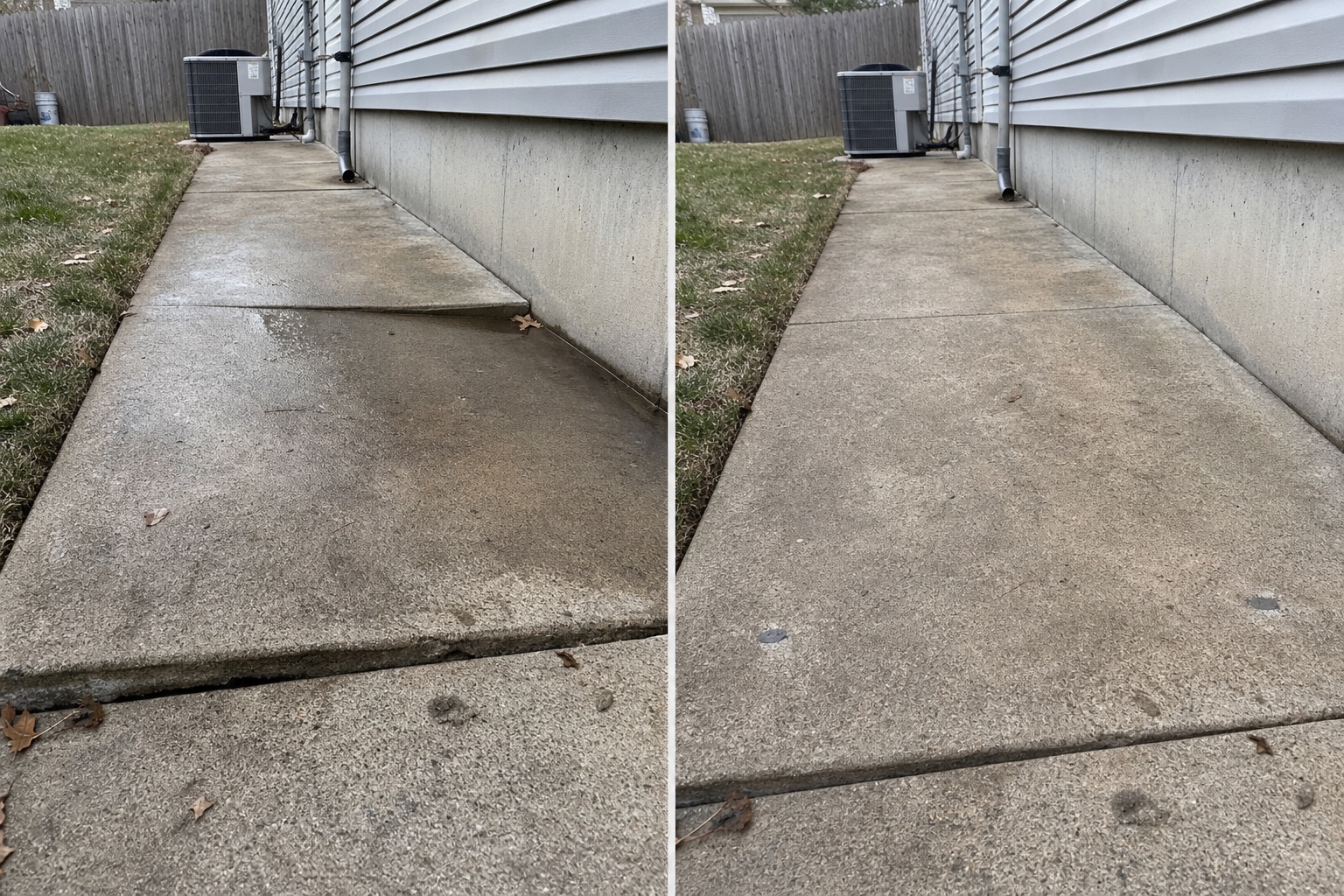
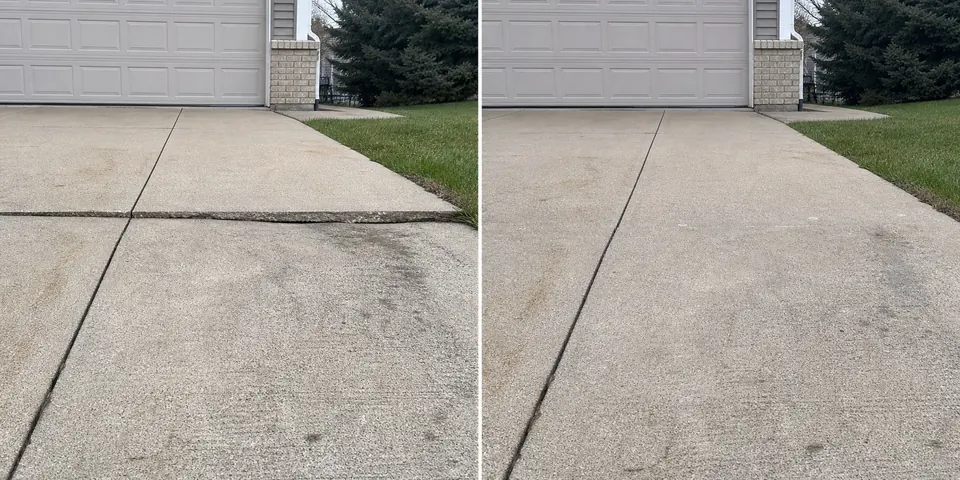 Driveway leveling
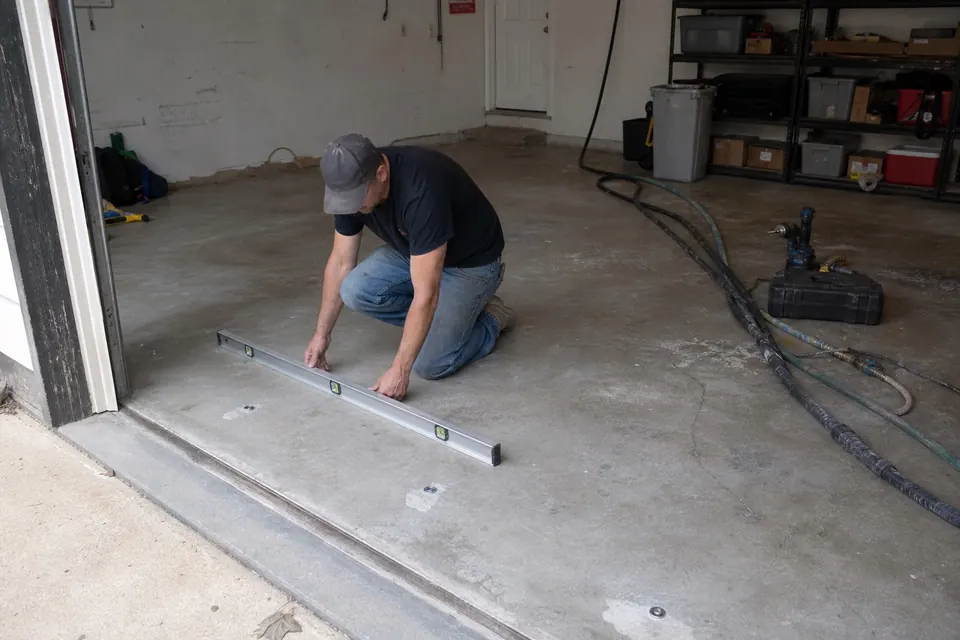 Garage floor leveling
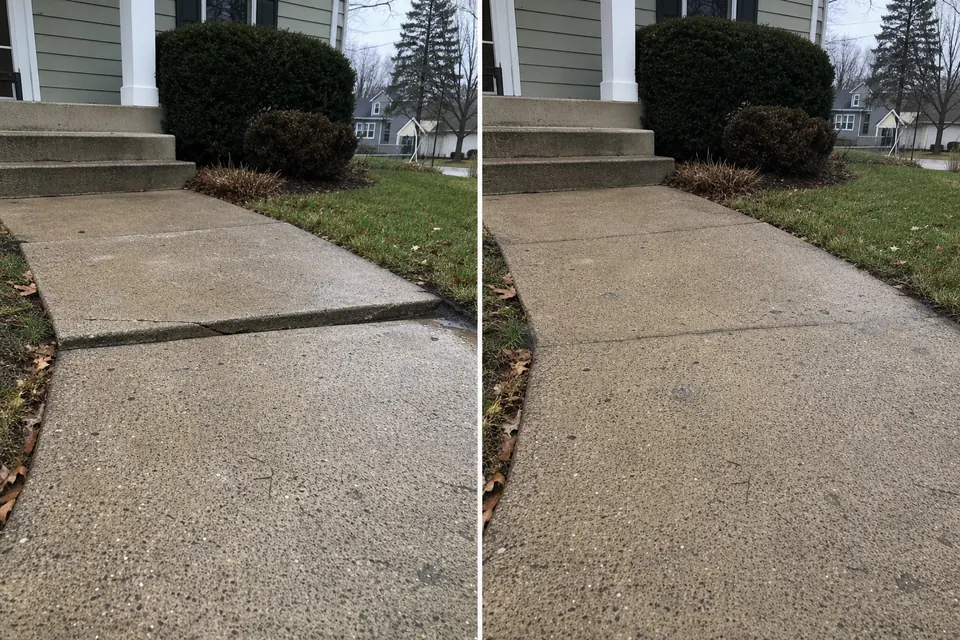 Sidewalk & walkway leveling
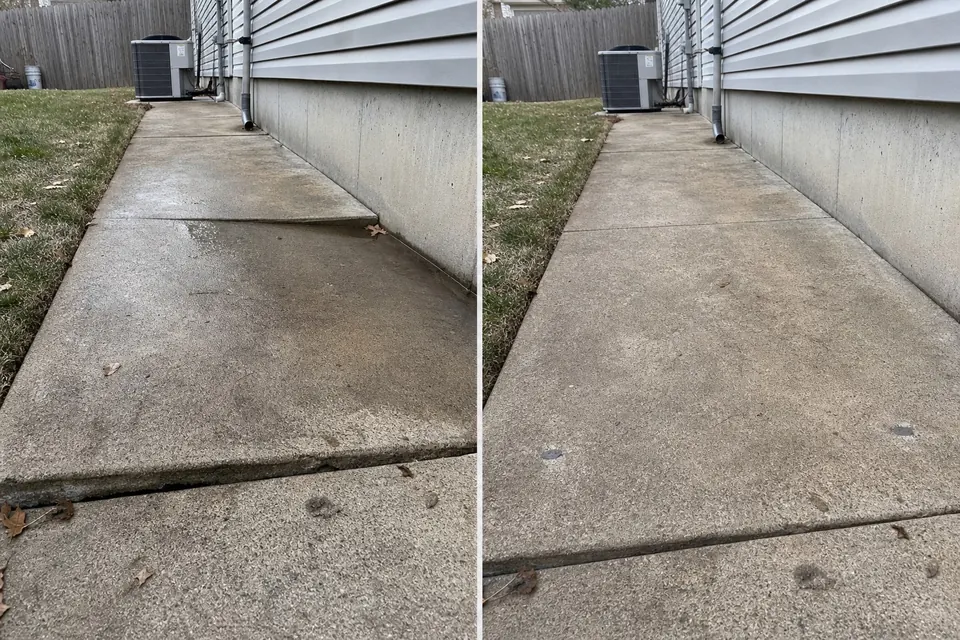 Porch & stoop leveling
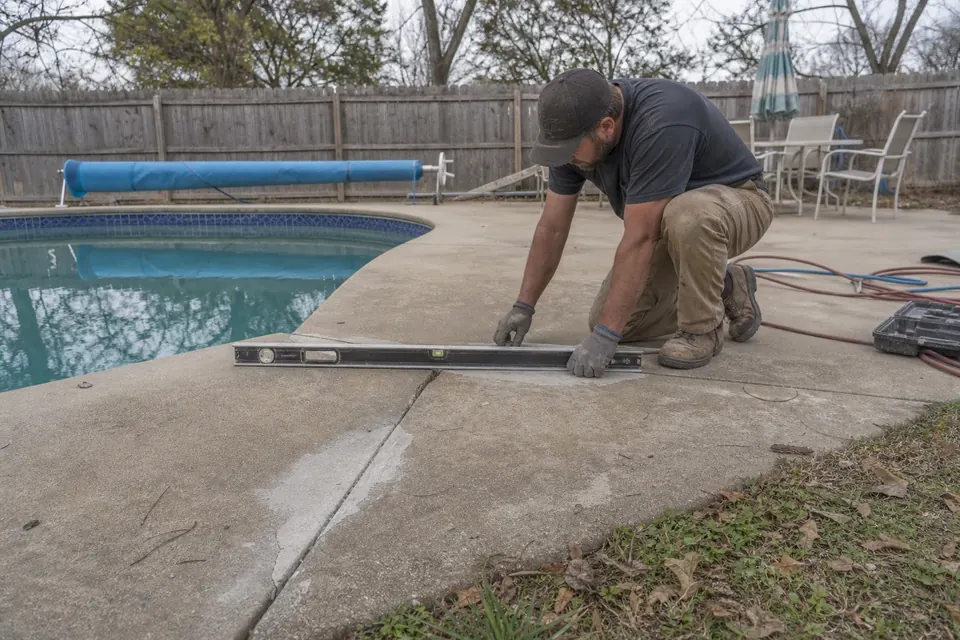 Pool deck leveling
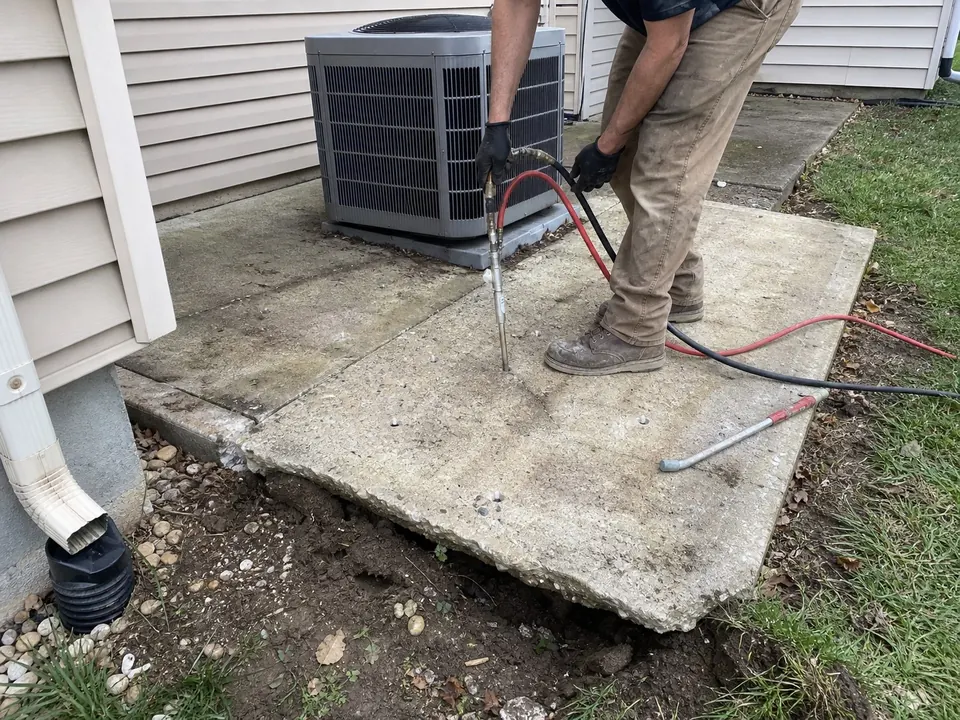 Void filling
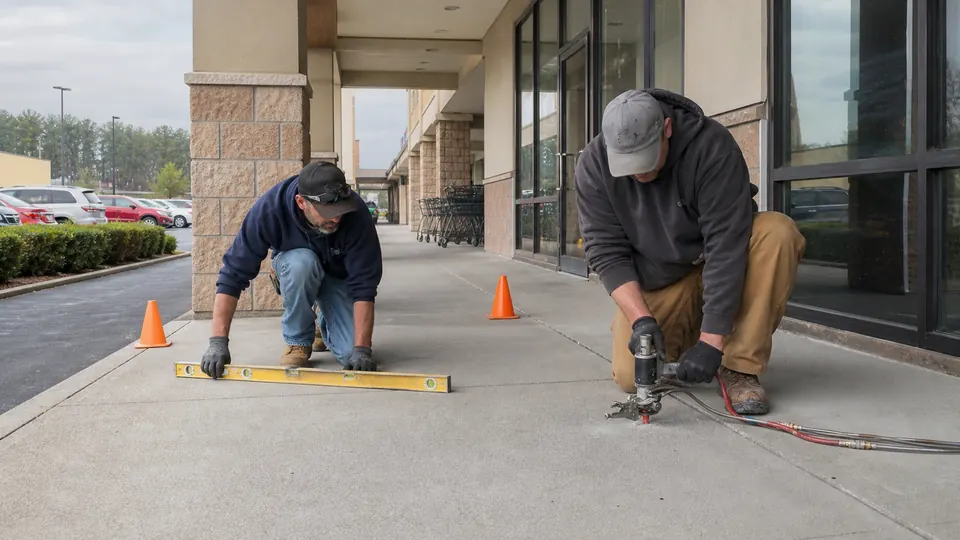 Commercial concrete leveling
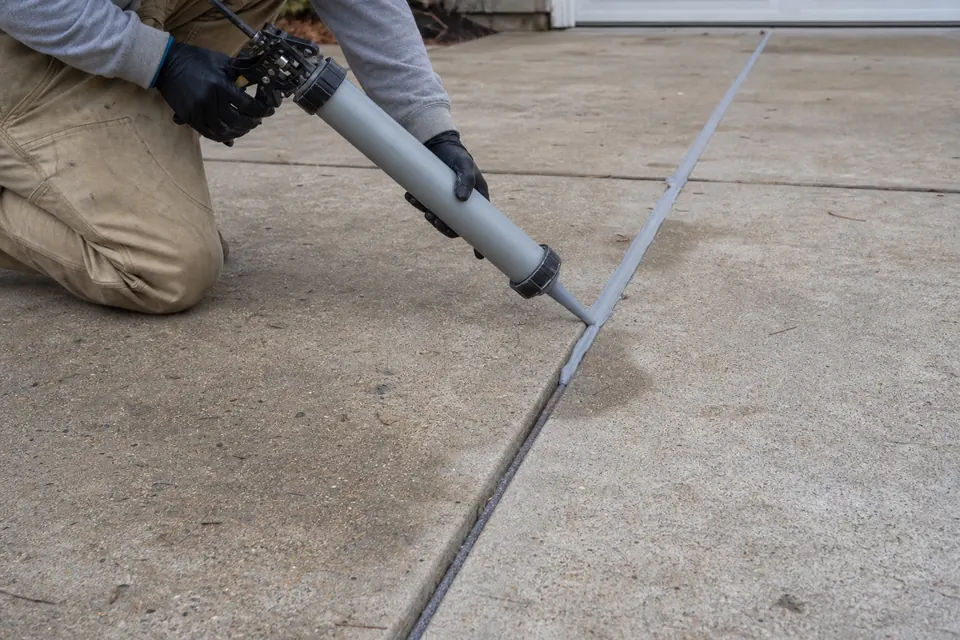 Crack & joint sealing